Migraine and Chronic Illness Gift Guide

Hello again! We’re back, restructured and better than ever! Keep Blooming will be shifting a bit to focus more on migraine and chronic illness resources, and to kick that off, I’ve put together the most extensive gift guide yet! Read on for a list of some of the best gifts for your chronically ill friends.

This post contains amazon affiliate links, that help me earn a little commission.


Let’s get to the fun stuff! Below you’ll find an itemized list of everything on our Gift guide, plus clickable links to shop.

  1. Back/Neck Massagers
    Those of us who suffer from migraine usually also suffer from frequent and severe back and neck pain. Not to mention, we spend a lot of time laying down which can cause soreness and stiffness in our necks. Massagers like these that help us to relax comfortably and address some of our lingering pain are great!
  2. 2 Piece Turtleneck Sweater Set
    Comfort is really important when you have a chronic illness, but we also want to look cute, fashionable and presentable too! Chic and comfy sets like these are great for helping us to feel more put together and polished, which is great for our self esteem.
  3. Towel Warmer
    Make no mistake, towel warmers are the epitome of luxury, and when you’re sick all the time, it’s nice to have little touches of luxury around your house to make your daily life a little bit easier and more comfortable. A towel warmer is just that, a little injection of luxury into what can be a life punctuated by struggle and sacrifice.
  4. Uggs
    When it comes to fashion and style, it can be hard for us to keep up, but that doesn’t mean we don’t want to! Sometimes we’re limited in what we can wear because of balance or sensory issues, so we really gravitate towards fashion trends that prioritize comfort. Uggs have been killing the game this season with their new line and not only are they cute, their super comfy.
  5. Menorah Skincare Rescue Sheet Masks
    these are great
  6. Electric Kettle
    Tea can be a powerful tool to help manage chronic illness, and electric kettles are a perfect, easy and quick way to make sure we can always have a perfectly made cup of tea to help soothe our weary minds and bodies.
  7. Weighted Blanket
    These are great for anxiety and disregulation, which is common with migraine and many other chronic illnesses. Weighted blankets can be great for helping us to fall asleep easily and calm anxiety and
  8. Head Scratcher
    Migraine has many odd side effects and one that many people experience is scalp sensitivity. These gentle metal head scratches are perfect for addressing the residual soreness many of us have all over our heads. And they will put you to sleep in 2.5 seconds, which is always a plus.
  9. Lego Sets
    People who suffer from chronic illness can sometimes be very limited in the activities we can do alone or with others. Activities like LEGO sets are great ways for us to feel productive, have some fun and connect with others, something that can be hard for people with migraine.
  10. Acupressure Mat
    We have lots of tension stored up in our body and this helps us to release it.
  11. Allay Green Light
    this light soothes our brain waves and helps us sleep and get some pain relief.
  12. Ritual Zero Proof Alcohol Alternative
    Alcohol disagrees with most of us, but we’d still like to have the experience, especially in social settings. Rituals Zero Proof line of alternative alcohol is the perfect solution for us! We get the taste and the experience, without the nasty side effects.
  13. RENPHO Eye Massager
    This little thing is great or anybody, not just migraine sufferers. Whether you work on a computer or suffer from tension headaches, this little thing is a game changer. It uses heat air pressure and vibration to give you an eye/head massage unlike anything else. Try to go with a model that has a remote, as the buttons on the actual mask can be a little tricky to push.
  14. Bluetooth Headphones Headband
    These are the best headphones to sleep with: they don’t fall out or get lost like AirPods and smaller headphones do. The volume is good, they have a very long battery life, turn off on their own after a few hours and are not uncomfortable or constricting at all. Hands down the best headphones to fall asleep with.
  15. Head Hug Aromatherapy Shower Steamers
    great way for us to have a spa like experience in our own home.
  16. Doordash Gift Cards
    We can’t always cook so these are great and super convenient for the days where we can’t function enough to prepare meals for ourselves and our families.
  17. Compression Ice Hat
    There are a lot of ice hats on the market, but this gel one is easily one of the best. It has mild compression that feels amazing and its long enough to cover your eyes and ears, which is really helpful with main management.
  18. TMJ Neck Stretcher
    many of us have stiff necks and tense jaws and that can make peaches worse. this device puts our neck in the proper ergonomic position to stretch the tense muscles at the back of our head. a mist have for any migraine sufferer.
  19. Relief Band
    Help control nausea.
  20. Streaming Services
    We’re home a lot and can’t work, and sometimes we just need a distraction, streaming services are a great way for us to be distracted, entertained, and feel like we’re part of the world.
  21. TENS Massager
    These are great for helping ease the muscle tension all over our bodies.
  22. Ancient Minerals Magnesium Bath Flakes
    These can be added to baths to help soothe muscles and manage pain.
  23. Craft Kits
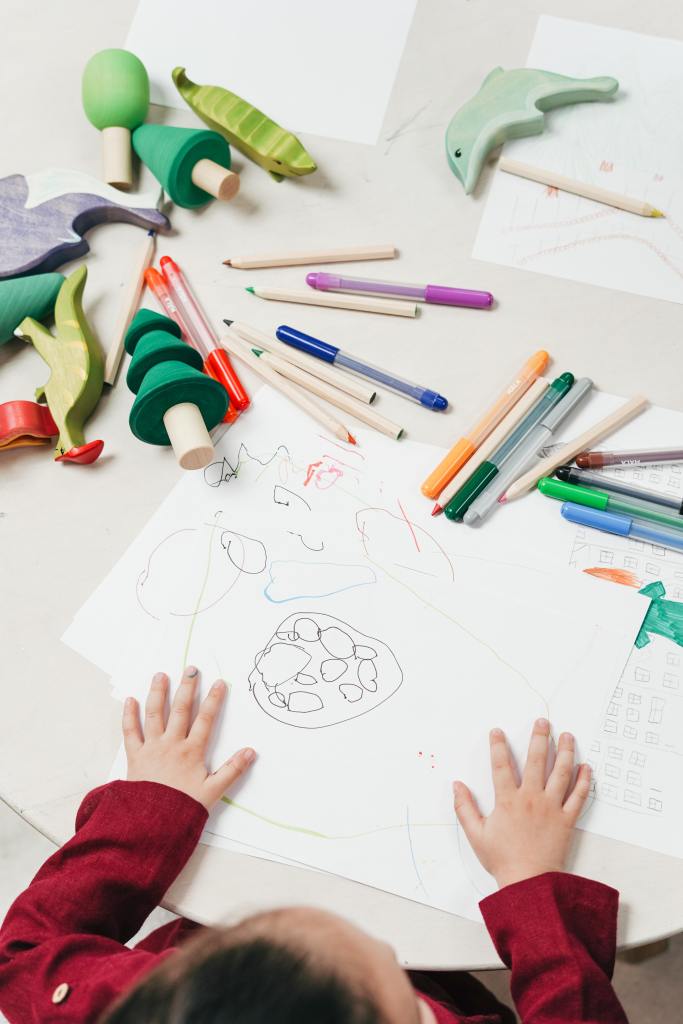
    Many of us have kids and we still want to be present. these kits help us be able to engage and have fun with our kids without us having to over extend ourselves.
  24. Acupressure Pen
    These are good for manipulating pressure points to help with pain management.
  25. Loop Earplugs
    Many of us are noise sensitive and these innovative ear plugs allow us to dampen loud and intrusive sounds, while still being able to hear and participate in the conversations around us.
  26. Movie Projector
    Movie projectors are great for family fun which can be hard for us to facilitate. They also make it easier for us to watch and enjoy movies without straining our eyes on a small screen.
  27. Instant Ice
    Typically used for athletes, this cryospray is great for temporary relief of muscle pain and tightness.


3 Steps to Re-Parenting Yourself & Reclaiming Your Power

A few months ago, I came across a term that’s been fundamental to my growth as an individual and as a mom. Destiny at MomCrushMonday introduced me to the concept of “Re-Parenting” on her Instagram and it felt like a window to another world had been opened. 

Photo by Kampus Production on Pexels.com

The concept of Re-Parenting is rooted in healing. It aims to address and unpack traumas and pain that we may have experienced as children, either directly or indirectly, as a result of our parents or other adults around us. The core idea is that now that we are adults, we can take our power back from those who stole it, and overcome the traumas they caused. For me, it was the realization that everything we need exists within us. 

Some of my childhood traumas were centered around abandonment, then having to do more than those around me to receive less attention and validation. This led me down a path of over achievement and people pleasing as an adult, which, as many of you I’m sure know first hand, marred my early adulthood with anxiety, depression, feelings of worthlessness and a lack of direction. When you’re living to please others or get their attention, you lose sight really quickly of nearly everything about yourself: what you like, what you want, who you are.

The first few steps were hard –  and without going too much into the ugly details, it involved severing fundamental relationships and spending a lot of time alone. I spent a lot of time outside, walking outside for hours, once even getting frighteningly lost. This was a key part of my healing process. It showed me I could be without the people I thought defined me, and it helped to clear the fog of opinions that often engulfs people pleasers. After I could hear myself again, things got a lot easier. 

This week, I want to share three key strategies that have helped me make tremendous progress in my re-parenting journey and have helped transform my life completely over the last several years.

Stop Fixating on the Negative things about yourself. And if you really can’t stop fixating, stop saying those negative things out loud. Our words are extremely powerful and speaking them out loud gives them life. 

Accept the limitations/abilities of others and don’t take them personally. We’re all working from places of trauma and hurt and those of us that are most hurt tend to hurt others the most. Meeting these individuals with understanding where they’re at and taking yourself out of their equation frees you up from bearing the burden of their hurt.

Photo by Alex Green on Pexels.com

Spend time alone – especially if you’re coming from a place of being very ‘out of touch’ with yourself. A good way to see how in tune you are with yourself is to check in by asking questions that force to be present and focus on yourself: How am I feeling right now? If I could do anything I wanted to right now, what would it be? When do I feel my best emotionally and physically?

If you found this helpful, check back next week for three more actionable steps to re-parenting yourself. Remember to be gentle with yourself.

XO, Keep Blooming

4 Ways to Heal After for a ‘Bad Parenting Day’

We’ve all been there: a bad day at work, a nasty commute home, mistakes that could have been avoided; a bad day that simmer and simmers until it finally boils over. But for parents, the guilt that follows can sometimes be worse than the actual events of the day. Here are four ways you can help your family heal after a bad day.

  1. This one is simple, but can be hard for a lot of folks because it was never modeled for them by their parents: apologize. A sincere apology can go a really long way in rebuilding trust after it’s taken a hit. I like to include an explanation for my behavior when I apologize, not as an excuse, but so my little one knows that what happened was my fault and unrelated to them. Even if your kids are too young to really understand everything you’re saying, they will get your message if it’s loving and kind and they will find it easier to follow your lead and apologize to others as they grow up.
  2. Talk about what happened; did you lose your temper after a long day at work? have you reached your limit after a long week of fighting between your kids? talk to your child (in an age appropriate way) about what’s going on with you that caused you to have a difficult day. They probably won’t understand the details but they’ll understand that they are important to you and that you care enough about them to explain what’s going on to them. This can help to build a foundation of mutual honesty and respect that will be crucial as your child gets older.
  3. Spend some quality time together; If you’re both up for it, and there’s enough time left in your day, take 15 or 20 minutes and play together, read a book, dance it out, color a picture, or any other engaging activity they chose. IT doesn’t matter what it is, as long as your engaged and spending time together.
  4. Give yourself some time, space and grace! The best thing you can do for yourself after a long day, is give yourself a break. Chances are, your frustration escalated because you didn’t give yourself one sooner. One of the most important things I’ve learned is that the structure of my household falls apart completely when I’m struggling physically or emotionally, so I need to prioritize taking care of myself so that im physically able to care for my family. That means, resting when my body needs rest, finding a healthy outlet for the natural stressors of everyday life, and being kind to myself when i make mistakes. Forgiveness can be hard for me, so if you struggle with it too, challenge yourself to identify where you went wrong and what you will do differently going forward. If you have a plan for how to better deal with your emotions going forward, it becomes easier to accept that mistakes, accidents, bad days will happen to everyone and don’t define who we are in the long run.

I hope these tips work for you and your family, and please share any helpful insights in the comments, and as always, Keep Healing, Keep Blooming.

XO

Self Care: Kids Edition – Bath Time

This post contains affiliate links.

DISCLAIMER:

Before I start, I just want to say, the most important part of bath time is constant supervision.
NEVER LEAVE YOUR CHILD ALONE IN THE BATH FOR ANY LENGTH OF TIME.

I don’t know about your kids but my little one loves bath time. Since he’s started talking more, he’s been saying “just wait” every time I try to take him out. I usually let him stay in at least a minute more whenever he asks because I really want him to have positive memories of bath time. Baths are an important part of a babies development: it teaches them life skills for hygiene, respect for water, it’s an immersive sensory experience and it’s a time for them to learn about their bodies. Bath’s – especially salt baths – are just also important for adults, with the magnesium absorbed during a salt bath playing a key role in proper muscle function. Baths are great for all ages, and making them a habit while our kids are little improves the chances that they’ll continue the practice throughout their life. 

Here are a few things we use in our house to make bath time a special experience:

Laguna Moon Organic Bath Bombs & Color Drops

When little bear was younger, he did not enjoy bath bombs. Something about the fizziness I think. But I still wanted him to have the experience of a colorful bath, so I was really glad when i found bath color drops. They go by a variety of names and can be found everywhere from the Target dollar section to Amazon (See the affiliate links throughout). They worked for us because they’re less stimulating than bath bombs with their fizzing, noises, bright colors and unusual texture, which can be a lot on the sense. Bath drops are small pellets that dissolve slowly, tinting the water as they go. Linked are the Lagunamoon organic bath bombs which we we love. They’re very bright, fragrant and do leave your skin very smooth, so they might not be for everyone. And just for fun, there’s a little surprise at the center of every bath bomb.


Dr Teal's Kids Elderberry & Vitamin C Salt Soak

Salt baths not only feel amazing but they help our muscles by soaking them in magnesium, an essential nutrient for healthy muscle function, and a by product of salt dissolved in water. Kids get sore and tense muscles too, it’s just a little harder for them to express it. Creating a regular salt bath routine can help to keep their muscles from getting overworked, fatigued or tight. 


Lavender & Chamomile Essential Oils

Add lavender and chamomile essential oil to your little one's baths and to jammies before bed. Both lavander and chamomile have a calming effect and are the basis for most sleep or dream essential oil blends sold in stores and online. both great for helping little ones to relax and get cozy before bed, making it easier for them to fall asleep. 


Galaxy Light | Northern Lights | Sunset
Projector Lights

Projection lights have become very popular, particularly during the pandemic when people took more of an interest in creating unique living spaces, and because they can be very relaxing and basically the whole world could use some help with that right about now. If you haven't seen one in action, get ready to be amazed. (after you click one of them Amazon links and watch the video demonstrations, especially the second light) Basically, they're little projectors that can cast different light patterns across the walls and ceiling of the entire room. The colors are beautiful and the rotating patterns are hypnotic without being dizzying. I've never met anyone who didn't enjoy the atmosphere created by one of these little things, so prepare to want one for every room of your house.

That's all for now! let me know what bath time items you use in your house and as always, let me know your thoughts if you try any of the products I recommended here.

XO & Keep Blooming

Babysitter Info Templates

I don’t know about any of you, but i haven’t really been able to get away for some me time since the start of the pandemic. But after two years, I figured I’d better start trying to live again before I completely forget how.

So I decided it was time for a little solo night out.

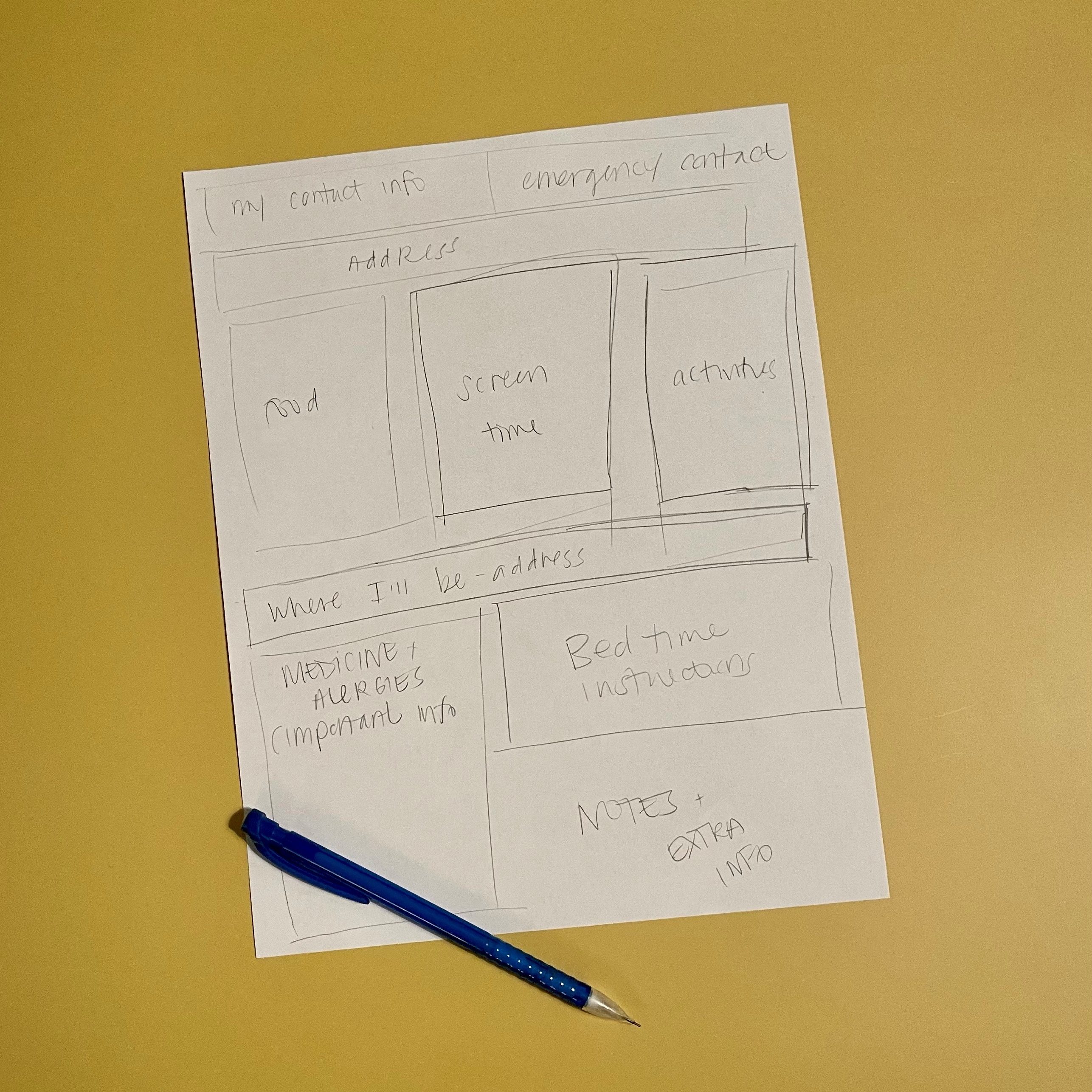
I always try to prepare my babysitter with any and all information they could possibly need while I’m gone. But to be honest, there’s so much info I need to share, I usually always forget something. Then, a few months ago, while researching for a book I’m working on about making motherhood a little easier, I stumbled across babysitter info sheets; templates that help you organize all the information you need to leave your babysitter. There are tons of different styles, but I customized my own so I could make sure it had all the features we need.

Creating Your Own Babysitter Info Sheet

Creating your own template is pretty simple, even if you’ve never made one before. First, make a list of the important information you want to makes sure your sitter knows; this will vary depending on your family’s individual needs, but some generic things you’ll want to include are:

  • Your Name and contact Info
  • Emergency contact Name and Number
  • Your Address
  • Address Where You Can Be Reached
  • Meal Instructions (Little Bear is very particular about his favorite foods)
  • Food Allergies
  • Medication Instructions
  • Bedtime Instructions
  • Activity Suggestions
  • Screen Time Allowance + Approved Shows/Movies

Once you’ve figured out all the information you want to include on your sheet, try to think about how much room you want for each item and then use a pencil to sketch out a rough draft of your template layout.

Once you’ve found a layout that works for you, it’s time to start your final template. You can do this step digitally or by hand, whichever works best for you.

Creating a Digital Copy

Open whatever program you use to create printable documents. I use Adobe InDesign, but Pages, Word and Google Sheets will all work as well. Start by using text or image blocks to create outlines for each of the sections on your template. Keep your rough draft next to you so you can arrange your boxes on the page to match your drawing. Add text to each box that describes what information you will write in that section. At this point, your template is ready to be printed and used, but if you want to put some stylish touches, like graphics, colors or unique fonts, now is the time. Add any elements you want, being sure to keep your template clear and easy to read.

Creating a Template By Hand

Creating a copy by hand is even easier. Using a sharpie and a ruler, copy your draft of your template onto another paper. If you can find any, I recommend using card stock or thin white cardboard, to help with durability. Using a smaller permanent marker or pen, label each section of the template so you know what to write where and your sitter can interpret what information she’s reading. To make the template reusable you can frame it or use a page protector and a dry erase marker to write with. You could also make photocopies and keep a few on hand so you’re not scrambling around to find your original or make another one.

If making one yourself is too much for you, leave us a comment with your email and we’ll send you ours!

Sensory Friendly Holiday Gift Guide

Any last minute shoppers? Don’t worry, you’ve still got time! And if you’re shopping for a loved one with extra sensory needs, than you’ve come to the right place. 

We’ve collected an amazing list of tools, toys and other fun stuff that can serve a variety of sensory needs, no matter your budget, so let’s get right to it! 

Ready to invest: you’ve got a bit of extra cash and you’re ready to spend to get what you need and want.

Climbing Triangle: Climbing Triangles are great pieces of equipment that encourage your child’s gross motor skill and motor planning skill development and can grow with them through these changes. AGE 2-16

Photo Via Love Sac

Love Sac – Love Sac’s are amazing; their textured fabrics are luxurious and they feel like a hug for your whole body. These are amazing, especially for bigger children or adults. There’s even have a testimonial from a mother whose son has extra sensory needs, which you can see here, on the founder’s personal blog. ANY AGE

Gathre Arc Play Set: This set is a worthy investment if you’ve got more than one child, close in age who may be sensory seekers. The playset comes with arches in three sizes which can be used in a variety of engaging ways and are great for days when you can’t get outside and are great for tight spaces, like apartments. UNDER 5

Outdoor Play Structure:If you do have the space and the budget, it’s worth the time and money, especially if you have a child with extra sensory needs, to invest in an outdoor play structure for your child.  Kid Craft makes some of the most amazing outdoor play equipment on the market! They’ve got swings, slides, playhouses and tons of options that will fit your little one’s needs. VARIES


Ballin on a Budget: You’re not ready for a big financial commitment, but you’ve got a budget to work within comfortably. 

Indoor Rock Wall: If you’re handy with power tools and can find your way around a hardware store, then you can purchase climbing holds online and build your little one their own rock wall in any room of your house! All you need is a few tools, your climbing holds and a weekend’s worth of time. AGES 6+

Target Sensory Friendly Furniture: Target first launched their sensory friendly kids room line a few years ago and it sold out everywhere quickly. They’ve expanded and refined the line since it was first launched to include weighted blankets and a hideout tent as well as updated a variety of features. Their products are quality and less expensive than the market average, which is important for products that are too often priced out of reach for the people who need them.  VARIES

Photo Via Etsy

Chill Pill Fidget Tool: This magnetic fidget toy is shaped like a large pill capsule, split down the middle and held together with a powerful magnet. When you separate the half, the Chill Pill’s magnets snap it back together again, making it extremely responsive when in use. . 

Photo Via Amazon

Leedor Bed Tent: Leedor Tents fit right over your standard sized mattress to create an instantly cozy cocoon for bedtime. Thetent features four doors and two windows for easy access, breathable fabric and can also function as a privacy tent during the day.  ANY AGE

Warmies: Warmies creates cozy products that provide warm, soothing comfort for all ages. Their product line includes a wide range of stuffed animals, boots, slippers, eye masks, and more, all of it, warming, weighted and infused with French Lavender for an extra level of comfort. ANY AGE

Moonpals: Moon Pals is a line of stuffed animals designed to provide deep pressure therapy in a unique form. Each stuffie’s body, arms and legs are weighted to provide maximum benefits tailored to your loved ones needs. There are 5 Moon Pals to choose from, each with a corresponding backstory and book to inspire a unique aspect of your loved one’s personality. 

Photo Via Amazon

Wobble Board: Wobble boards are a multifunctional piece of equipment that are great for any child, but especially sensory seekers. They provide several different ways to get proprioceptive input and encourage exploration and imaginative play with their simple sturdy arch design that can be used for anything from racing cars to launching toys through the air, the options are endless. VARIES 

Canopy Difuser: Aroma diffusers are an amazing tool for addressing sensory needs. You can create your own scent blends based on the environment you want to create – upbeat in the morning or calm and relaxed at night. Plus the canopy diffuser is waterless and mold resistant so you can use your device without worry. ANY AGE

Enovi ProBalance Yoga Chair: This yoga ball comes with a base and functions perfectly as a chair, great for relieving lower back pain and doubles as a great tool for providing sensory input in a low key, and no obstructive way. AGE 16+


Making Magic From Scratch: You may not have a ton of extra cash but you’ve got a lot of imagination!

Homemade Crash Pad: If you have a sensory seeker in your life, chances are, they will appreciate receiving a crash pad as a gift. They can be pricey, but we found this awesome DIY that’s great for small budgets. ALL AGES

Rainbow Rice + action figures to match: Rainbow Rice is all the rage right now as montessori education is totally having a moment. There are tons of places to purchase it but you can also make your own! All you need is uncooked rice – white rice makes for brighter colors while brown rice makes for more muted earth tones colors. You can follow our tutorial to make your own, Here. Once you’ve got your rice, head to the dollar store to pick up some companion pieces – Animal figures, other sensory toys, anything engaging will work. ANY AGE

Liquid Motion Bubbler: These colorful bubblers have been around since the 1970’s but have gained popularity in recent years as sensory toys, tools for relaxation, or fun for anyone who enjoys rhythmic motion and repetitive movements. ALL AGES 

Crayola Bath Drops: Bath time is a fully immersive sensory activity. There are smells and feelings and water and all kind of things that can be new and overwhelming. Using bath drops to tint bath water a preferred color can make reluctant bathers a little more comfortable, and they add a bit of unexpected fun for anyone whose already comfortable with baths.  ANY AGE  

Yoga Ball: Yoga balls are especially great for sensory seekers living in small places. For little ones, it’s best to find one with a handle. There are a lot of affordable options on Amazon. AGES 3+

Water Beads: Water beads are great for playing and learning; Soak them in water for a few hours and watch them grow! They’re great as a base in sensory boxes, a fun addition to bath time and great for improving fine motor skills as they try to grab the slippery little balls. ANY AGE

Homeschool: 2 Months In

Hello Out There! 

We’ve been super focused on settling into our homeschool routine since the New Year and it’s hard to believe we’ve been at it for two months already! Time really does fly. 

Both Little Bear and I have learned A LOT in the last 8 weeks and I want to share some of the helpful tips and wisdoms that have helped me on this journey. 

Routine + Time Management 
Our school schedule has done wonders for my personal time management skills. I struggle with routines but our school schedule helps simplify our day and helps me be more aware of how I spend my time. Working from home can make it hard to keep my boundaries clear and some days I feel like I’ve been too focused on work. But blocking out time for school every day ensures that Little Bear and I get enough one on one time, even if in my head, it doesn’t seem like it. This really helps alleviate the mom guilt I now so many of us struggle with. 

a look at our weekly activity planner. it gets messy, but it keeps our days running smoothly.

Planning
Planning is going to become key if you want to homeschool your child. Your life will become a cluster fuck if you try to homeschool without doing sufficient planning first. I plan my curriculum on a monthly basis, then on Sundays I review my plans for the week, gather materials and prep as much as I can. Nightly, before bed, I check out the schedule for the next day and complete any last minute preparations. That way when the morning comes I’m ready to go, no hesitation. Even with advance prepping, sometimes things go awry. It’s important to plan your day so it runs smoothly but it’s more important to be flexible to your child’s needs.

Letting Your Child Lead
As adults, when we make a plan, we try our best to stick to it, thats the point, right? Well for kids thats not really the case. They don’t need a plan, and sometimes sticking to your plan rigidly can make life unnecessarily hard for your little one. I’ve found that with our homeschool activities, it’s best for me to follow Litle Bear’s lead on how we engage with the activities. Say I bring out paint and paper, but my little one would rather paint on his skin than on the paper. The goal of the painting activity is not to make something beautiful that you frame and keep forever. Would that be nice, sure, but the point of this activity is to 1. Expose your child to different experiences, 2. To encourage hand eye coordination and motor skill development through using a paint brush and 3. To allow your child the opportunity to be curious, explore and understand at their own pace. If you’re hyper focused on getting your child to paint a line on their paper, you could both miss out on all the other opportunities for learning that activity offers.

this was supposed to be an ocean themed sensory bin but when I asked my sister to supervise so I could jump on a work call, I came back to Little Bear fully inside the sensory bin, soaking wet, but having the best time with his tools and toys.

Getting help + Not Losing Your Head
You’ve heard the expression ‘it takes a village’ well, as i’m learning raising a child, really does. So it’s important that you have a support system and the tools you need to be successful. We don’t all have an expansive support team, and that makes things much harder. But that doesn’t mean that you’re alone. The internet and apps like Clubhouse and Facebook are making it easier than ever to connect with like minded people and grow real, meaningful relationships. People meet their spouses online, there’s no reason you can’t make a legit friend who could support you in real life, online. 

Another area where I needed support was in my planning materials and resources. I have a background in education, so iI knew going into homeschooling, what the back end work was going to look like for me. I’m a chronic overplanner so I knew I needed a robust system to help me figure out what homeschooling was going to look like. I wanted our curriculum to be cohesive, not just on a daily and weekly basis but on a monthly and yearly basis too. I needed support in knowing what kind of subjects I should cover and a system that would help make sure we were setting and meeting learning goals and keeping our activities fresh and engaging. I was able to find a very robust planning program that offered that materials I needed and aligned with my educations style (we do montessori in our home). I would highly recommend compiling planning resources and utilizing the resources offered by more experienced homeschoolers when you’re starting out. Even if you’ve worked in education, homeschooling is a different beast entirely, and it’s worth tapping in with an experienced homeschooler before you get started. 

What are some helpful tips or ideas you’ve found most useful on your homeschooling journey? Let me know in the comments or connect with me on Instagram and let me know! I’m always looking for new friends and new ideas.

Good Luck Mama!

featured image by Ketut Subiyanto

A Guided Introduction to Re-Parenting Yourself


We’ve been going strong with home school for two weeks now! Today is our third Monday, and while its been a great experience overall, it has been bringing up some issues for my family, especially around boundary setting. So today, we’re gonna pivot away from homeschooling how-to’s and focus on another key area of development: Boundary Setting

A few months ago, I came across a term that’s been fundamental to my growth as an individual and as a mom. Destiny at MomCrushMonday introduced me to the concept of “Re-Parenting” on her Instagram and it felt like a window to another world had been opened. 

The concept of Re-Parenting is rooted in healing. It aims to address and unpack traumas and pain that we may have experienced as children, either directly or indirectly, as a result of our parents or other adults around us. The core idea is that now that we are adults, we can take our power back from the adults who stole it,  and overcome the traumas they caused. For me, it was the realization that everything we need exists within us. 

Some of my childhood traumas were centered around feeling ignored or forgotten, then having to do more than those around me to receive less attention and validation. This led me down a path of over achievement and people pleasing as an adult, which, many of you I’m sure know first hand, marred my early adulthood with anxiety, depression, feelings of worthlessness and a lack of direction. When you’re living to please others or get their attention, you lose sight really quickly of nearly everything about yourself: what you like, what you want, who you are.

The first few steps were hard –  and without going too much into the ugly details, it involved severing what I thought at the time were fundamental relationships, but were really just trauma bonds and spending a lot of time alone. I spent a lot of time outside, walking outside for hours, once even getting lost. This was a key part of my healing process. It showed me I could be without the people I thought defined me, and it helped to clear the fog of opinions that often engulfs people pleasers. After I could hear myself again, things got a lot easier. 

Here are some key steps I took that helped me first transform my thinking, and then, pretty easily, transform my life.

Take small steps towards gaining control of your life so you can live with intention instead of just getting through life.

Stop Fixating on the negative things about yourself. And if you really can’t stop fixating, minimum, you have to stop saying those things out loud. Our words are extremely powerful and speaking them out loud brings them to full power.

Accept the limitations and abilities of others & don’t take them personally. We’re all working from places of trauma and hurt and those of us that are most hurt tend to hurt others the most. Meeting these individuals with understanding where they’re at and taking yourself out of their equation frees you up from bearing the burden of their hurt.

Give yourself pep talks. Some people call these affirmations; they’re the same thing. Many of us came from situations where the day to day stress of life forced its way into our homes and suffocated the culture of our families. It’s not my reality, but when I think of how good it must feel for children to feel praised and admired and respected by their parents, openly, it brings me an overwhelming amount of joy. And so does remembering that I can openly praise, admire and respect myself.

Spend time alone. Especially if you’re coming from a place of being very ‘out of touch’ with yourself. A good way to see how in tune you are with yourself is to check in by asking questions that force to be be present and focus on you; How am I feeling right now? If I could do anything I wanted to right now, what would it be? When do I feel my best emotionally and physically?

Explore your spirituality. I’m still exploring mine and it’s a deeply personal journey but I will leave you with this – it is an absolutely essential part of re-parenting, especially if you come from a background where your family culture lacked spirituality. There is likely a lot of healing to do in situations like that. If the idea of talking to God intimidates you or feels like too much, try starting with a loved one that has passed away or an animal you find in nature. Browse the Religion and Spirituality section of the Kindle store and pick up anything that speaks to you. It’s all part of the process. Above all remember this, spirituality is like a muscle; when exercised properly it can grow exponentially strong, but when neglected, it can waste away to nothing.

Write. Writing allows us to access the deepest parts of ourselves. it doesn’t matter what you write or how it sounds, especially if it’s new to you or you’re out of practice. When I started writing, I was in a very angry place. I needed to shift my perspective but was at a loss for how to do that. I decided to write down three things I was grateful for everyday. Then five things. Then 10. Now days, anytime I get upset at a person or situation, I quickly list off 3 reasons I’m grateful for them and it shifts my thinking almost immediately.

Expand your horizons. First things first, this is not an invitation to go culturally appropriate anything that ‘speaks to your soul’ or partake in any exploitative activity that positions you above another person. So let’s just get that straight. But different cultures typical have at least moderately different world views; things they prioritize (family, individuality, community, money), a moral code and other factors that shape the overall culture of society. For example, in the US, one of the first questions we ask a new person is ‘what do you do for a living?’. In some parts of the world, that’s actually an extremely rude question. Not everyone in the world has the luxury to chose their dream job and pursue it endlessly. For most of the world, a job is a means to survival and something you do because you have to, so the question, ‘what do you do for work’ has a completely different meaning.

Just remember this: The mind, once stretched by a new idea, can never go back to it’s old dimensions.

Supplies You Need to Start Homeschooling

They say the first step is the hardest one. Getting started with homeschooling can be overwhelming, so the first thing I recommend is finding a homeschool planner that works for you. There are tons of them out there. I knew that I was going to need a lot of support for our journey and that it was something new I was going to have to learn a lot about.  So I opted for a robust Montessori planning system. Digital products like these go on sale often, so it doesn’t need to break the bank. I got mine on sale from Lindsay at ModernBirthingMama.com. She’s a stay at home mom who homeschools and creates resources to make the process a little easier. I picked up her Ultimate Montessori Homeschool Binder which came with a bunch of other resources to help me create the foundation for how we homeschool.

I’ll write an itemized list of some of the resources that are essential to getting started. Ours came from a few different sources; Little Bear had been in early intervention programs and they regularly provide resources through their newsletter with helpful information and activity ideas; our team of therapists who provide us with benchmarks to watch for and creative ideas to encourage developmental progress; our pediatrician and other specialists, who help us interpret Little Bear’s needs and limitations. Your child may not be developmentally delayed, but these resources will still be able to help you understand the skills your child should have and tips for teaching them effectively. 

Here’s a full breakdown of what came with ourMontessori Planner and some of the most important resources we used when getting started:

Practical Life Skills and Activities – age appropriate life skills
Developmental Milestones – age appropriate physical/mental/emotional development
Budget Planner
Sample Daily Schedule for Toddlers/Preschoolers
Yearly Goal Setting (reflection for Mom & education)
Student Goal Setting – a breakdown of specific skills you want mastered and steps to get there
Prepared Environment Reflection/Lifestyle – is your home conducive to learning? What can you do to make it more so?
Monthly planning template
Weekly planning template
Daily Hour by Hour Planner
Weekly observations
Field Trip Planner
Weekly Activity planner
Lesson Planner – simple & advanced
Meal Prep Guide
Room/Home planner – for creating a learning environment 
Reading Log
Monthly Calendar 
Goal Trackers

In addition to this list, which will help you organize your curriculum and lesson plans, you’re going to need some actual activities to fill their day with. Thankfully, there are a ton of resources with fun ideas to play and learn with your children in engaging ways, especially since most of us have spent the last 8 months at home with our kids, trying to come up with ways to keep everybody from going crazy.

Instagram is my absolute favorite place to find activities to fill our daily schedule. There are so many amazing creators on Instagram with some really unique, inexpensive and kid friendly activity ideas, and access to Instagram is free. While some creators do peddle high priced products, the vast majority don’t and are just regular people like you and me, trying to have fun, teach their kid, and not break the bank or buy a bunch of stuff. My top 3 Instagram accounts for play and learn activities are:
1. @mothercould
2. @makeitmontessori
3. @bigpictureplay
4. @playlearnthrivekids
5. @napacenter

And That’s really it! This list seems long and maybe overwhelming, but you don’t NEED all of this stuff to get started. Bare minimum, you’ll need a daily schedule and a list of activities. More planning makes controlling your child’s education over the long term much more manageable, but if you’re getting your feet under you and just need to start, you could start today with the resources in this blog post.

Honest Homeschooling: What to Think About if You’re Considering Home Schooling You Child

Today, Little Bear and I start our first official day of homeschool. Our path to homeschooling started waaay before the pandemic. As we’ve shared, Little Bear has Sensory Processing Disorder and some developmental delays, so I’ve been thinking about what his education would look like basically his whole life. I have nothing but love and respect for teachers working in public education. I truly think many of them are doing God’s work. But the education system is tremendously flawed, underfunded, neglected and it can be difficult for them to meet the needs of non traditional students with their limited resources. I always knew I wanted something different for Little Bear, I just wasn’t sure what. 

Initially I leaned towards a Montessori school as my main option, then the pandemic hit and everything changed. I have a strong background in education. In college, I worked as an assistant coordinator for an after school program in the Oakland Unified School District. I’ve written curriculum, attended state sanctioned seminars, worked hands on teaching creative arts to children and providing academic support and tutoring. My time studying and working in the field of education has given me some strong opinions around education and child development. So, in my case, I always had this feeling inside that I had the tools to educate him myself, and give him the education I believed he needed rather than the tired model that leaves so many of us needing more.

But I’m not going to lie to you and tell you that I woke up stoked to basically become a teacher. That’s not my calling or passion, so while I knew the idea felt right, I was still very resistant to the idea of taking on the task of educating my child myself. In all honesty, my road to this point was kind of messy. But the mess helped me see the situation for what it was, and eventually I found my way through.

Here are the things I considered when weighing my options;

  • Your mental health. Homeschooling is not easy, even when it’s easy. And if you know from jump, that this isn’t for you, it’s worth taking the time to process through any resistance you may be feeling about taking the plunge into full time homeschooling. Do you already feel overwhelmed and overworked? Does the idea of even getting started with homeschool stress you out and fry your brain? Do you know patience and helping others work through problems are difficult tasks for you? That’s ok, you’re human. But you do have the responsibility of setting the tone for your child. So take some time to get familiar and comfortable with your new role and the responsibilities that come along with it. Reach out to others for resources and support. You’re not the only person in this situation, and you’re not the only one who needs help. It’s going to be okay. 
  • Consider what is best for your child. How does your child learn best? What kind of activities or toys do they engage with most? How have they been handling virtual learning? For me these answers to these questions seemed a little counter intuitive. For some reason, I felt that my child had made more progress when he wasn’t participating in virtual learning sessions than when he was. This was a key realization for me, because it helped me to understand that the virtual model didn’t work for my child, which is actually pretty normal.
  • Your strengths and weaknesses. No one is good at everything, so have an honest conversation with yourself and take stock of your most valuable skills, and how they will help you in homeschooling. Then, write a list of the areas you struggle in, or would like to improve, and write down how these negatives will also effect your homeschool process. 

Decide your educational core values.
What is the point of education, for you? What kind of environment do you want your child to learn in? What are the concepts that you want to make sure they can grasp to function at their highest level? What was good or bad about your own educational experience and how did it shape you later in life. Answering these questions will help you determine your answer to the next point of consideration. 

  • What is realistic for your lifestyle. there are a lot of factors that go into homeschooling that you might not necessarily think about right away: your budget for supplies and resources, if you have the space in your home to dedicate to education and your ability to modify your space if necessary, how much time you can dedicate to planning and prep and how often you’ll do it.
  • What kind of educational method is right for your child. there are many alternatives to the traditional public education model we’re familiar with. The Montessori education model has been around for over 100 years and has seen ups and downs in it’s popularity with American parents. There are others too: Waldorf, Harkness, Reggio Emilia, each with a unique set of principles, they believe foster the ideal learning environment for kids. We’ll talk more about different educational styles and how their benefits in the next few weeks. 

The good news is, homeschooling is extremely flexible and can be structured in whatever way works best for you and your family. There are a variety of robust tools and resources available to make homeschooling fun, interesting and engaging for you and your child.