Tips for Boosting You + Your Little One’s Immune Systems

Hey mama,

How are we all doing out there? Are you panic stricken by the CoronaVirus coverage or are you managing to keep it together? Maybe somewhere in between? With all the numbers, speculation and warnings going around, it’s hard to process the information or know what to do next.

Here at Fake Mom, we’re all about being proactive, rather than waiting to be reactive. And the best way to be proactive about contagious viruses or public health outbreaks is to support your immune system so your body is ready should it need to fight off an infection, virus or bacteria. Below are 17 tips for boosting your and your littles one’s immune health along with some tips for sneaking the trickier foods into meals.  

There are few things harder than being sick and trying to care for a little one who’s full of energy, so make sure you’re taking good care of yourself too! Grown ups can incorporate any of the items on the list into their lifestyle, while some tips are not suited for small children. Each tip will denote whether or not it is suitable for children 

Citrus Fruit rich in vitamin c, which is thought to boost white blood cell production. They’re sweet and juicy flavors tend to make them an easy favorite with little ones, but if you have a picky eater who is texture sensitive, using citrus juices is a great substitute. Processed store bought juices have a lot more sugar than the actual fruit, so if you can’t juice yourself, we recommend watering store bought juice down with at least half as much water as juice. You’re little one will still get the vitamin boost they need without the extra sugar. AGE 6 MONTHS +
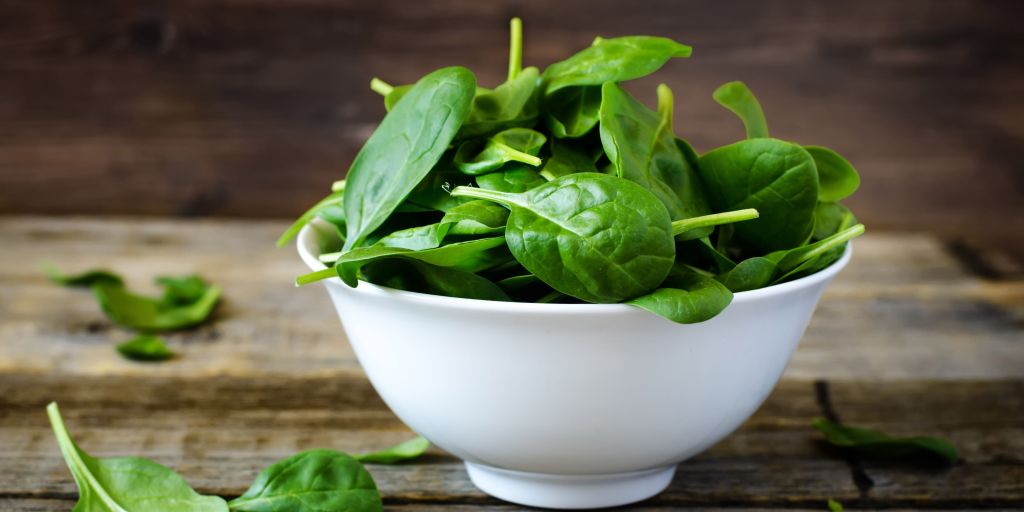
Spinach is a triple threat; packed with white blood cell boosting vitamin c, regenerative antioxidants and strengthening beta carotene. Use it in smoothies blended with other fruits and veggies as little ones tend to not be super excited but this plain tasting leafy green. AGE 6 MONTHS +

Ginger, a go to for most cold like symptoms, ginger is a powerful anti-inflammatory and can help fight nausea. Ginger can be used in your littles ones bath but can be quiete strong when it is cooked with. AGE 6 MONTHS +

Garlic for grown ups it’s known for its heart healthy benefits but garlic also contains compounds such as allicin which is known to have immune boosting properties. Garlic is great to use as a flavor enhancer when cooking and is an easy additive to most recipes. AGE 6 MONTHS +

Turmeric is an old world remedy for inflammation that has gained popularity in recent years among western lifestyle gurus for its anti-inflammatory and detoxifying properties. Turmeric is great added to smoothies or blended treats for your little one. The flavor is mild enough to be masked by citrus fruits and the bold color will peak your little one’s curiosity. Turmeric can be used to cook with or as an additive in small amounts to fresh smoothies or juices. AGE 6 MONTHS +

Papaya, often an overlooked superfood, have more vitamin c than oranges, are packed with potassium, b vitamins, folate and an anti-inflammatory enzyme called papain. Because of it’s mild taste, papayas are also great for smoothies or juicing when added with other more flavorful fruits and vegetables. AGE 8 MONTHS +
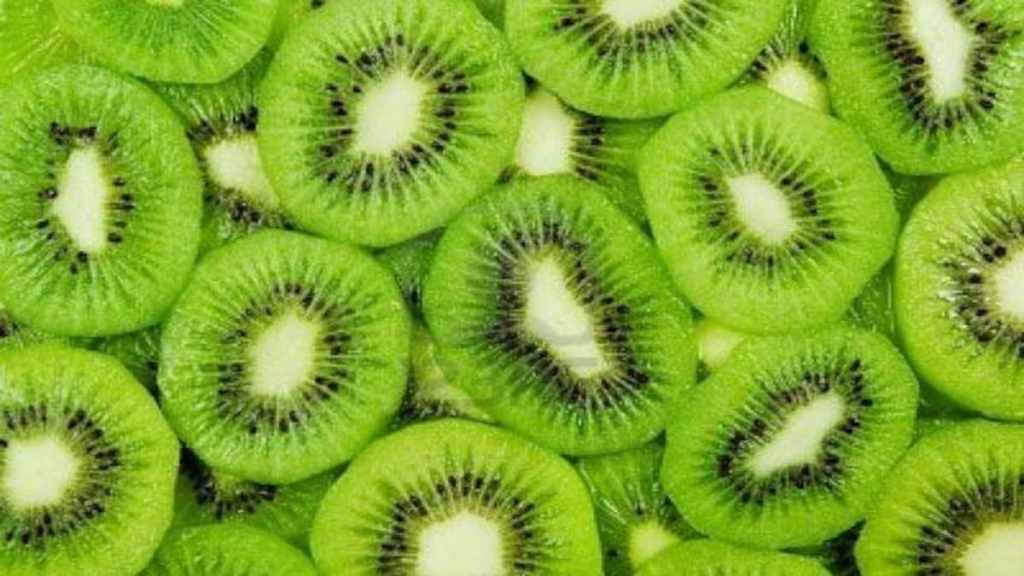
Kiwi are full of folate, potassium, and vitamins k and c. They can be a little sour so if your little one won’t eat one by itself, try adding it into a smoothie. The flavor is mild enough to blend seamlessly with other fruits and veggies. AGE 10 MONTHS +

Water is the key to life and health! Our bodies are 70% and require that we consume clean fresh water to replenish what our bodies use up throughout the day. Watering down any liquid your baby drinks is any easy way to decrease heir sugar intake and increase their water intake. AGE 6 MONTHS +

Sleep is simultaneously the most important and most neglected aspect of our modern life. Proper sleep is essential to a healthy, balanced life, and sleep deprivation is the natural enemy of our body’s immune system, killing the cells in our bodies designed to track down and attack dangerous microbes and cancer cells. ALL AGES
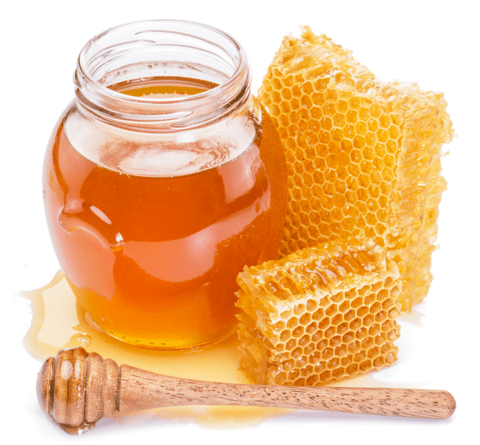
Local Honey. Honey can be tricky because children under 1 can contract botulism from the bacteria found in honey. But after 12 months, their bodies are able to process these bacteria properly and they can benefit from its many useful properties. Honey is a natural antibacterial and contains powerful antioxidant properties shown to lower LDL (read: bad) cholesterol, blood pressure and triglycerides. In children, honey has been found to be as effective as over the counter cough suppressants. The honey acts a barrier, coating the throat and providing relief without the side effects of over the counter meds, which often keep your little one from getting the quality sleep they need to fight off their illness. Adding a bit of honey and lemon to warm water for baby when they’re not feeling good is especially soothing before bed. AGE 12 MONTHS +

Lay off over the counter meds- it may seem counterintuitive but loading your little one up with drugs every time they get the sniffles will actually make them more sick in the long run. As a result of this over medication, bacteria themselves begin to build up an immunity to the treatment. These new, antibacterial resistant strains are harder to fight and a simple ear infection can snowball into a serious infection. ALL AGES

Yogurt contains thousands of good bacteria to keep you healthy from the inside out. The “live and active cultures” stimulate our immune system, help our digestive system to work more efficiently, and are fortified with vitamin d, which helps regulate our immune system and boost our defenses against disease. Most little ones enjoy yogurt because of its mildly sweet flavor but if you have a child who is averse to foods with a runnier consistency, you can use yogurt as a smoothie base and blend it with fruits and veggies to make a delicious drinkable and nutritious snack for your baby.  AGE 6-8 MONTHS +

Blueberries contain Flavonoids, antioxidants that can repair damaged cells and boost your immune system. They are also rich in vitamins and nutrients including vitamins C and A, potassium, fiber and manganese, an essential nutrient found commonly in nuts and legumes. Little ones tend to like blueberries because it’s a chance to flex their fine motor skills and trying to pick them up is just as fun as eating them. They also blend well into any smoothie. AGE 7 MONTHS +

Green Tea: Green tea is loaded with caffeine, so this one is definitely not for kids. But for grown ups, green tea is somewhat of a superfood. The caffeine boost is a welcome effect for most grown ups but it’s levels of epigallocatechin gallate, or EGCG, a powerful antioxidant shown to boost immune health. Green tea also contains high levels of L-Theanine, an amino acid that may raise production of germ fighting compounds in your body’s T-cells. ADULTS ONLY

Cruciferous Vegetable: These include cabbage, broccoli, colliflower, kale, brussel sprouts, bok choy, radishes, arugula, collards and watercress: Rich in vitamins and minerals like folate and vitamin K, darker varieties are also rich in vitamins A and C. They’re also packed full of phytonutrients, plant based compounds that benefit our bodies in a number of ways, most notably by acting as anti-inflammatories and reducing our risk for cancer and heart disease. Little ones enjoy cruciferous vegetables the most when they’re cooked a bit and seasoned with aromatic spices like garlic, onion or turmeric, all of which provide their own health benefits. AGE 10 MONTHS +

Mushrooms: They’re usually not popular with kids but adults love them and mushrooms are packed full of nutrients that help keep us strong and healthy. Cooked properly, the varieties that are not poisonous are packed with B vitamins, potassium, copper, antioxidants and beta glucan, a soluble fiber linked to lowering cholesterol and supporting heart health. AGE 12 MONTHS +

Sunflower seeds: This may be a surprising one for most people but sunflower seeds are actually packed with nutrients including phosphorus, magnesium and vitamins B-6 and E, a powerful antioxidant responsible for regulating our immune system. AGE 24 MONTHS +

Sources:

https://www.healthline.com/health/food-nutrition/foods-that-boost-the-immune-system#ginger

https://www.parents.com/health/cold-flu/cold/boost-childs-immunity/

https://www.geisinger.org/health-and-wellness/wellness-articles/2018/01/19/14/09/6-foods-to-boost-your-immune-system-through-cold-and-flu-season

https://www.eatright.org/food/vitamins-and-supplements/nutrient-rich-foods/the-beginners-guide-to-cruciferous-vegetables https://www.healthline.com/health/food-nutrition/are-mushrooms-good-for-you

How to Keep Your Kids Entertained Inside (Without Losing It!)

Hey Mama,

For most of us, winter is in full swing. Maybe that means snow days, maybe that means rainstorms but either way, most of your family is likely gonna be stuck indoors for long stretches during this time of year. It can be tough to keep it together during the winter, we get it. So we put together a little Cabin Fever Survival Guide to help you keep your little ones from driving you totally insane.

We broke it down into three parts: your survival kit, activities for little ones, and activities for bigger ones.

Survival Kit
Essential items to have on hand during the winter time. These items are versatile, can be used in a variety of entertaining ways, inexpensive, easy to find, and won't destroy your home. 
  1. Rolls of tape (painter’s or gaffer’s tape are best; they’re sturdy and easily removable)
  2. Toilet paper
  3. Contact paper
  4. Bubbles
  5. Washable markers
  6. Balloons
  7. Rechargeable batteries
Activities for Little Ones
These activities are great for entertaining little ones under the age of 5. They involve games that build on fundamental skills your little ones are still learning and are designed to keep them engaged at their skill level. 

Sensory blankets (LIN/PIC) are great for babies at tummy time but the activities can easily be adjusted to fit your little ones needs. This DIY spin on it, (LINK/INCLUDE PIC) is a great way to adapt your activities and the modular design means you can rearrange the pieces to create sensory trails around your house. BONUS TIPS: If you live in a small space, make this activity a bit more exciting by allowing kids access to normally restricted areas, like the bathroom or kitchen. Giving kids a little more room to run, especially when they’ve been inside for several consecutive days can make the long stretches a little easier for both of you. 

USE OLD NEWSPAPERS TO TURN YOUR KITCHEN FLOOR INTO A GIANT CANVAS. PHOTO VIA JLHEUER.WORDPRESS.COM

‘Indoor Chalk’: Set your little one up with a paper covered floor and a few washable markers and let them go crazy! Giant drawing paper can be expensive but the blank side of wrapping paper works great as a substitute. Tape it to the floor of a whole room for fun that lasts a little longer. If you’re little ones are young enough, you can get away with newspaper rather than wrapping paper. Also, make sure the makers are washable and non-toxic cause it’s inevitable that they will draw on something they’re not supposed to and put the markers in their mouth, so just make it easy on yourself. 

Contact paper: there are tons of activities out there centered around contact paper. Its mild stickiness is great for sensory development and the fact that little things stick to, but easily come off is endlessly entertaining. Tape it to the wall and let baby stick things to it to exercise their fine motor skills, or use it with salt and paint for a messier, but fun experiment with color and texture. 

Color scavenger hunt: This is a great way to help baby learn their colors and have fun at the same time. Use those old paint sample cards we’ve all got stuffed into a drawer somewhere (or grab some from anywhere paint is sold) and use them to do a color scavenger hunt around your house. Stick with primary colors if you’re little one is still learning and add more shades as they get better at color spotting.

Simon Says is a great way to engage with little ones and let them get some energy out! Give them silly commands and watch them giggle endlessly.

Treasure Hunt: hide various toys around your house and have you little one hunt for them. Puzzle pieces, small toys, their favorite stuffed animal. Give them hints to help them if they get frustrated and hide them in silly places to give little ones and extra laugh.

Bubbles! Little ones go crazy over them and big ones will get a kick out of blowing them and driving the little ones mad! Fun for everyone

Youtube is great for little ones too! Instead of complicated dance videos, little ones will love sing alongs! We love to play sing alongs for our little one’s and they’re happy for as long as I let them rock out. They’ll dance and sing along and there are tons of song options out there to keep it educational and fun. ‘Super Simple Espanol’ is our favorite channel.

Activities for Bigger Ones:
These activities are best for children over the age of 5. Some of the games on this list involve critical thinking or controlled motor skills and other advanced stages of development your little one may not have reached yet. If you have children in different age groups, many of these activities can be adapted for both of your children to participate.

Activity dice: these giant dice are super easy to make, and you can customize the activities according to your child’s needs and interests. Make them act like an animal or imitate a superhero, whatever they would engage with best HERE’S a printable template to help you get started with some blank spaces for customization. BONUS ACTIVITY! Let your kids color them + make a few of their own activities of their own. Then play with them! They’ll go crazy over seeing you do whatever silly thing they came up with. 

PHOTO VIA RYSELTOYS.COM

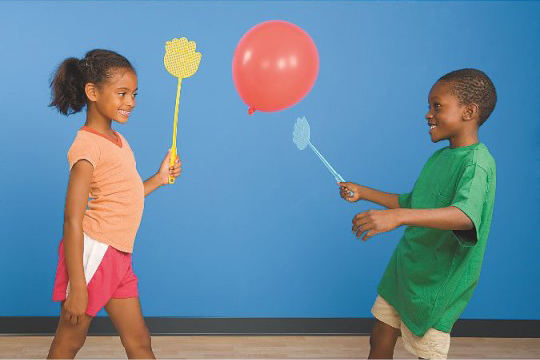
Balloon Games: Balloons are the best! And there’s lots of things you can do with them! Ballon jumpers: tape the balloon to the ceiling, challenge them to reach it, then raise it up a little each time they hit it successfully. 

  • Balloon Volleyball
  • Don’t let the balloon touch the ground 

Color scavenger hunt: This activity is great because it can easily be adapted for older kids. While the little ones work on finding one color, bigger ones can take the whole sheet of shades and match each one. Time them, make it a contest, or offer prizes to help engage more reluctant kids.

Obstacle course crawl: This one takes a bit of setup, but is a great way for older kids to keep busy during those bad weather spells. Using rolls of toilet paper or streamers and tape, create an intricate obstacle course for your kids to find their way through. Use a variety of heights and angles to make it more challenging for bigger ones. 

VIA MARIETTA SPY SHOP

Traditional obstacle course: This is a great way for your bigger ones – and little ones too – to get some energy out. Try to think of higher energy activities if your child needs the run around a bit. If you’re working within a small space, these activities don’t necessarily need a ton of room. Below is a list of obstacle course activities that don’t need as much room.

  • Balancing on one foot
  • Jumping jacks
  • Hula hoops
  • Distance Toss
  • High Jump
  • Knee raisers
  • Indoor Bowling

Charades: There are many versions of this classic game and they’re all tons of fun for all ages! On scraps of paper, write down a bunch of random people, places and things for you and the kids to act out. You can even let them add in a couple for increased engagement. Then, take turns pulling from a hat and acting them out. Make it a competition and add points for bigger-er ones. 

VIA TEACHMAMA.COM

Youtube: This one is a life saver and a huge resources for most adults i know. University of Youtube is also a great way to keep your kids engaged and active. Que up fun workout videos for them, like Billy Blanks classic tye bo tapes, or dance tutorials, but only if you’re prepared for them to bust those moves out every. single. Chance. They. get. For the next 6 months. BONUS: for an added laugh, show them vintage dances like the running man. They’ll think it’s the funniest shit ever. Let’s be real, it is. 

Indoor bowling: this is hours of fun, with very little clean up. Let your bigger ones use red plastic cups to create pins, and a small light ball as the ball. Set your kids u with a score card so they can play a full game and offer a prize to the winner, like choice of dessert or dinner. 

Attachment Part I: 25 Reasons to Cuddle your Baby

The Importance of Physical Touch and Affection

Part one in a two part series on the effects of physical touch on your baby's growth and development.

Hey Mama, Happy New Year!

As you probably didn’t know, cause, you know, it’s a made-up holiday, National Cuddle Day (!) was on January 6th this year. With that in mind, and in the spirit of new beginnings and healthy habits, we’re going to be kicking off the New Year with a series on the importance of cuddling! Sounds silly, we know but it’s actually a scientific fact that humans, and especially babies, need physical contact for proper development. 

The following have been found to be direct benefits of physical contact for babies:

  1. Regulated heart rate following birth
  2. Regulated temperature following birth
  3. Regulated breathing following birth
  4. Enhanced awareness following birth
  5. Improved sleep patterns for baby (and you too!)
  6. Improved digestion and elimination for baby
  7. Reduced fussiness in baby and increased comfort in their surroundings
  8. Improved neurological function in babies
  9. Increased weight gain for premature and full term babies
  10. Improved relaxation for you and baby (1)
  11. Lays the foundation for baby to learn empathy (2)
  12. Encourages bonding for both parties
  13. Helps baby associate physical touch with pleasure/love
  14. Helps baby create connections with others later in life (2)
  15. Increased levels of oxytocin, decreased levels of cortisol (3)
  16. Increased self confidence later in life (5)
  17. Greater ability to deal with life’s stressors (5)
  18. Creates a healthy sense of personal boundaries (5)
  19. Improved muscle tone + circulation (5)
  20. Improved pulmonary and immune functions
  21. Reduced discomfort from teething, congestion, colic, and emotional stress (5)
  22. Deeper sleep
  23. Improved milk production for mom
  24. Increased brain function from time spent quiet and alert, rather than crying (5)
  25. Greater self worth 

When physical touch is absent during a child’s early life, it can have devastating repercussions. Babies who aren’t huggled, cuddled or touched enough have been observed to stop growing, and in extreme cases, even when being provided adequate nutrition and care otherwise, they have died (2). This phenomenon was most notably observed in overcrowded, underfunded orphanages in early America, where infant mortality rates hovered around 35% (2). This disturbing trend led reformers to replace orphanages with the modern foster care system, in hopes of providing children with a higher quality of life (4).

The benefits of physical touch affect adults too. From an association between winning NBA teams and their physical contact with each other, to adults whose perception and memory of a given situation is actually changed by physical contact, the results are clear (3). In older children, studies found that children who received a positive, affirming touch on the back or arm from a teacher were twice as likely to be positively engaged than students who did not (3). 

But how does this happen? Does it actually work?

It’s a pretty simple chemical process that happens inside our brains thats causes touch to have such far reaching effects. A warm touch has been shown to cause a spike in levels of oxytocin, a stress relieving hormone that actively reduces levels of the nasty little stress hormone cortisol. When levels are lowered, the prefrontal areas of the brain – the part responsible for regulating our emotions – can relax, allowing it to perform it’s other chief function, problem solving, more easily. Essentially, the body interprets this type of touch as saying, ‘I’m here to help; I can share the load’. For little ones, this is endlessly reassuring and will provide the foundation for how they interact with others for the rest of their lives. 

Come back for Part II next week when we’ll be sharing some easy ways to incorporate meaningful touch into your routine with baby and debunking one of the oldest motherhood myths out there! Have a great week mama!

XO,
FAKE MOM