Beginning Vocabulary for Sensory Processing Disorders

Hello and Good morning! 

I hope you’re all ready to talk about something other than coronavirus and quarantine, cause we sure are! Today, we’re going to begin exploring the world of neurodiversity.

Nuerodiversity is a word that has been around since the late 90’s but really gained traction in the last 3 to 5 years. It refers to “the range of differences in individual brain function and behavioral traits, regarded as part of normal variation in the human population (used especially in the context of autistic spectrum disorders)” (23).

If you’re new to the journey of nuerodiversity, it can be extremely overwhelming, especially if you’re struggling to get a grasp on what your little one may be struggling with. So we’ve compiled a beginner’s vocabulary list with the intention of helping you better understand the needs and challenges of a child with sensory processing disorder. We believe that understanding is the foundation for strong connections and proper care, the cornerstones of a healthy and balanced life.

This list and the words on it can be difficult to wrap your head around, so we divided it into three categories, each dealing with different concepts relating to sensory processing and Sensory Processing Disorders (SPD). We’ll circle back to this list and expand on these concepts and ways to address them at home in the coming weeks.

The Basics: What is sensory processing?

Sensory Processing: refers to the way the nervous system receives messages from the senses and turns them into responses in our bodies. (1)

Nervous System: A complex collection of nerves and specialized cells called neurons that send and receive signals to different parts of the body. The nervous system can be compared to a home’s electrical system, carrying ‘messages’ of electricity all over the house. (3)

Senses: Senses are the ways in which our bodies take in information about the world around us. There are actually 8 senses, not 5, that help us navigate the world: visual (sight), auditory (sound), tactile (touch), olfactory (smell), gustatory (taste), vestibular, proprioception, and interoception (14, 15).

Vestibular Sensory System: The vestibular system is a complex system of structures located in the inner ear and is responsible for providing our brain with information about motion, head position, spatial orientation, and helps us to keep our balance, stabilize our head and body during movement, maintain our posture and control our eye movement (15, 16). It is an essential part of movement and equilibrium.

Proprioception: The proprioception sensory system is the sense that lets our brains perceive the position, location, orientation and movement of our muscles and joints. It provides us with a sense of the relative position of neighboring body parts and the effort needed to move those body parts. The proprioception system runs throughout the body with receptors in the inner ear, joints and muscles. There are two kinds of proprioception, conscious and unconscious, each with its own distinct pathway of communication to the brain (15, 17).

Interoception: The sensory system that relays information to our brains about the physical or physiological condition of our bodies. Sensations of hunger and thirst are examples of the interoception system at work. This system’s primary function is to guide the regulation of our bodies through heart rate, respiration, hunger and elimination. Interoception tells us what our bodies are feeling by creating feelings like pain, temperature and itch, among others. There is some evidence to suggest that our feelings of energy, stress and well-being are based on sensations received from our interoception systems and interpreted by our brains (15).

Photo via Healthline Parenthood

Foundational Concepts

Bilateral Coordination: the ability to use both sides of the body at the same time in a controlled and organized manner. This can look one of three ways: both sides doing the same motions, alternating motions, or different motions on each side (11). Bilateral coordination is key to the development of gross motor skills (12).

Motor planning: the ability to conceive, plan and carry out a non-habitual motor task in the correct sequence from beginning to end (10).

Occupational Therapy (OT): a form of therapy that works with patients throughout the lifespan, to help them develop the skills necessary to complete tasks or activities of daily living (ADL) through the therapeutic use of daily activities. Some of the most common occupational therapy interventions include working with children with disabilities, helping people recovering from injury to regain skills, and providing support to older adults experiencing physical and cognitive changes (19, 20).

Praxis: The complex, multi step neurological process where cognition (thinking) directs motor action (movement) in our bodies (7). The process that is praxis is made of three distinct parts; ideation or the ability to conceptualize an activity, motor planning or the brain’s ability to organize and sequence novel (or unfamiliar) motor actions, and finally, execution, performing the motor action (8).

Sensory Inputs: The stimuli that is perceived by the systems of sensory receptors located throughout our bodies. Each system responds to different inputs or forms of stimuli. Anything that you perceive with your senses can be called sensory input.

Sensory Perceptual Disorders: Cognitive disorders characterized by an impaired ability to perceive the nature of objects, concepts or environments through use of the sensory organs throughout the body. (21)

Stimulation/Stimuli: Relative to Sensory Processing, stimuli is an object or event that is perceived by the senses and elicits a response from the body. The stimulus can be from light, heat, smell, taste or any form of information perceived by our eight senses (18).

Sensory Processing Disorder Patterns and Subtypes

Sensory Processing Disorder or SPD: A complex set of conditions that involve an inability to accurately intake and correctly process sensory stimulation, or information(13). Current research suggests that there are six subtypes of SPD that fall into three major patterns, each describing a different way sensory perception is affected (13). A child with SPD will perceive and respond to stimuli differently than a child without it (2). The brain misinterprets the incoming signals, causing it to misfire and give an inappropriate response (4). Imagine a child with poor eyesight trying to play baseball without their glasses. When the ball is thrown, their brain misinterprets it’s location, causing them to react too early, too late or maybe not at all. It can cause a great deal of frustration for the child and eventually lead to a meltdown. Sensory processing is just like this, except that it involves multiple senses at once, instead of just one (4). The three main patterns are Sensory Modulation Disorder, Sensory Based Motor Disorder and Sensory Discrimination Disorder.

Photo via spdstar.org

Sensory Modulation Disorder: a pattern of sensory processing disorder where a chronic and severe problem involves the ability to turn sensory information into behaviors that match the nature and intensity of the sensation. Children with Sensory Modulation disorder fall into three subcategories: Sensory Over Responsive, Sensory Under Responsive, and Sensory Craving, or can display a mixture of the three. Sensory modulation difficulties can affect all eight senses and can cause disruptions to more than one sensory system at a time (5). 

Sensory Over Responsive / Sensory Defensive: Children who are sensory defensive experience an over response from their body to sensory stimulation. These children experience sensory messages more intensely, more quickly and/or for a longer period of time than a child with typical sensory perception. As a result, they are in a heightened state of arousal more often than a typically developing child. This means that sensations that are harmless and even pleasant for you or me, can be overwhelming and even painful to a person who is sensory defensive, or over-responsive. This can cause children to become anxious in environments and situations with too many sensory stimulants at one time, like a graduation ceremony or airport, for example (5).

Sensory Under Responsive/Lethargic: Children who are under responsive to sensory stimulation have less of a response to stimulation than what is required. They may take longer to react, or require longer or more intense forms of sensory stimulation before their body can produce a response. Sometimes called sensory seekers, individuals who are under responsive may fail to notice activity going on around them, people speaking to them, something touching them, or even their own body sensations like being too hot or too cold. Sensory seekers may display an insatiable desire for sensory stimulation and will require guidance about appropriate ways to get what they need (5). 

Sensory Craving: Sensory Craving is a subtype of SPD that falls into the pattern of Sensory Modulation Disorder. Children who are sensory craving actively seek out sensory stimuli and can display an unquenchable desire for sensory input. Unfortunately, the input often results in disorganization and does not satisfy their need for more (13).

Sensory Based Motor Disorder: a pattern of sensory processing disorder where a child has difficulty with balance, motor coordination, and the performance of skilled non-habitual and/or habitual motor tasks (13). There are two subcategories of Sensory Based Motor Disorder: Postural Disorder and Dyspraxia.

Postural Disorder: Impaired perception of body position, poorly developed movement patterns that depend on core stability, thus making the individual weak and/or low endurance. A child with Postural Disorder has difficulty stabilizing their body during movement or while at rest in order to meet the demands of a given motor task or environment. When a child has strong postural control they can reach, push and pull with the appropriate amount of resistant force. When postural control is weak, a child may not have the body control to maintain a proper standing or sitting position (13).

Dyspraxia: a condition where an individual has difficulty with the praxis process, most often in the motor planning stage. The underlying disruption is usually caused by a deficit in tactile, proprioceptive and vestibular sensory processing. These three senses are the foundation for developing a body percept, an essential – and unconscious – part of understanding how our bodies work and their physical limitations (8,9).

Sensory Discrimination Disorder: A pattern of sensory processing disorder where a child has difficulty accurately precieving the qualities and/or characteristics of sensory stimuli they recive (13). This manifests as difficulties discerning what they are seeing, hearing, feeling and even what they are doing with their bodies, and creates perceptual questions like, “Do I hear ‘cap’ or ‘cat’?, Is that a quarter or a dime in my pocket?, and Am I falling backwards or to the side?” Sensory Discrimination Disorder can interfere with processing information from any of the eight sensory systems (13).

Photo via ParentMap.com

Still with us? That was a lot, we know! Feel free to bookmark this page, and use it to refer back to as you begin your journey with nuerodiversity. It’s a lot of information to take in, so don’t beat yourself up if after a once over, you still feel overwhelmed. That’s why we broke it up for you. Start with The Basics, and don’t move to the next section until you feel like you really understand those concepts. Take it a day at a time, a section at a time, or even a word at a time, if you need to. We’ll be here waiting for you.

SOURCES:
Featured photo via Today’s Parent

  1. https://www.spdstar.org/basic/understanding-sensory-processing-disorder 
  2. https://childmind.org/article/sensory-processing-faq/ 
  3. https://www.livescience.com/22665-nervous-system.html 
  4. https://www.artcsandiego.org/blog/the-difference-between-sensory-processing-disorder-and-autism?gclid=EAIaIQobChMI5bbSmuzM6AIViP5kCh3R8wXzEAAYASAAEgI1_vD_BwE 
  5. https://www.irvinetherapyservices.com/resources/sensory-modulation-disorder/ 
  6. https://www.webmd.com/children/sensory-processing-disorder#1 
  7. https://occupationaltherapychildren.com.au/praxis-its-not-just-motor-planning/ 
  8. https://www.irvinetherapyservices.com/resources/praxis/ 
  9. What is BODY PERCEPT? definition of BODY PERCEPT …psychologydictionary.org › body-percept 
  10. Motor Planning Definition & Disorders | NSPTwww.nspt4kids.com › Health Topics and Conditions Database 
  11. http://therapystreetforkids.com/BilateralCoord.html 
  12. https://www.yourtherapysource.com/blog1/2017/10/01/bilateral-coordination-skills/ 
  13. https://www.spdstar.org/basic/subtypes-of-spd 
  14. https://www.spdstar.org/basic/understanding-sensory-processing-disorder 
  15. https://www.spdstar.org/basic/your-8-senses 
  16. https://www.neuroscientificallychallenged.com/blog/know-your-brain-vestibular-system 
  17. https://www.sciencedirect.com/topics/neuroscience/proprioception 
  18. Sensory Stimuli | SpringerLinklink.springer.com › … 
  19. https://www.aota.org/Conference-Events/OTMonth/what-is-OT.aspx 
  20. OT vs PT: The Difference Between Fields of Occupational …otaonline.stkate.edu › Blog › OT Explained › OT vs PT
  21. Perceptual Disorders – MeSH – NCBIwww.ncbi.nlm.nih.gov › NCBI › Literature 
  22. Sensory Input definition | Psychology Glossary | alleydog.comwww.alleydog.com › glossary › definition › term=Sensory+Input 
  23. Dictionary.com

Step Mom Acronyms and Their Meanings

We just wanted to share a quick post today about something helpful we recently learned, that has made it easier to move through some of the online communities relating to motherhood.

Motherhood can look very different depending on your situation, but there is a community out there for you, whatever your motherhood looks like. One of the subcultures we relate to the most here at Fake Mom, is the Step Mom community. As with any group, they’ve developed a language that allows them to communicate effectively with each other. As an outsider, some of these words and acronyms can be confusing or hard to decode. It took us a while to wade through alternate definitions before we found the meaning behind the word that helped us to realize that this was actually a community we could relate to. That being said, we want to share with you what we’ve found, so that if this is your community and you just haven’t realized it yet, you can find your village.

TermMeaning
BDBiological Daughter
BSBiological Son
BFBiological/Birth Father
BFBoyfriend (alternate)
BMBiological/Birth Mother
CACustody Agreement
COCourt Order
CPCustodial Parent
CS/CSOChild Support, Child Support Order
CPSChild Protective Services
DDDear Daughter
DHDear Husband
DSDear Son
EoWEvery Other Week
EoWeEvery Other Weekend
FILFather in Law
FHFuture Husband
FWFuture Wife
FSD/FSSFuture Step Daughter, Future Step Son
FSKFuture Step Kids
GALGuardian Ad Litem
GFGirlfriend (alternate)
GF, GM, GPGrandfather, Grandmother, Grandparents
HCBMHigh Conflict Bio/Birth Mother
HCBFHigh Conflict Bio/Birth Father
LGLegal Guardian
MILMother in Law
NCPNon-Custodial Parent
OHOther Half
PPO/PO(Personal) Protective Order
SAHMStay at Home Mom
SDStep Daughter
SK or SKIDSStep Kids
SOSignificant Other
SSStep Son
TFThe/Their Father
TMThe/Their Mother
TOWThe Other Woman
TOMThe Other Mom
XFILEx Father in Law
XMILEx Mother in Law
XHEx Husband
XWEx Wife
#Age of subject (i.e. SD9)

XO, Fake Mom

Sources:

Tips for Boosting You + Your Little One’s Immune Systems

Hey mama,

How are we all doing out there? Are you panic stricken by the CoronaVirus coverage or are you managing to keep it together? Maybe somewhere in between? With all the numbers, speculation and warnings going around, it’s hard to process the information or know what to do next.

Here at Fake Mom, we’re all about being proactive, rather than waiting to be reactive. And the best way to be proactive about contagious viruses or public health outbreaks is to support your immune system so your body is ready should it need to fight off an infection, virus or bacteria. Below are 17 tips for boosting your and your littles one’s immune health along with some tips for sneaking the trickier foods into meals.  

There are few things harder than being sick and trying to care for a little one who’s full of energy, so make sure you’re taking good care of yourself too! Grown ups can incorporate any of the items on the list into their lifestyle, while some tips are not suited for small children. Each tip will denote whether or not it is suitable for children 

Citrus Fruit rich in vitamin c, which is thought to boost white blood cell production. They’re sweet and juicy flavors tend to make them an easy favorite with little ones, but if you have a picky eater who is texture sensitive, using citrus juices is a great substitute. Processed store bought juices have a lot more sugar than the actual fruit, so if you can’t juice yourself, we recommend watering store bought juice down with at least half as much water as juice. You’re little one will still get the vitamin boost they need without the extra sugar. AGE 6 MONTHS +

Spinach is a triple threat; packed with white blood cell boosting vitamin c, regenerative antioxidants and strengthening beta carotene. Use it in smoothies blended with other fruits and veggies as little ones tend to not be super excited but this plain tasting leafy green. AGE 6 MONTHS +

Ginger, a go to for most cold like symptoms, ginger is a powerful anti-inflammatory and can help fight nausea. Ginger can be used in your littles ones bath but can be quiete strong when it is cooked with. AGE 6 MONTHS +

Garlic for grown ups it’s known for its heart healthy benefits but garlic also contains compounds such as allicin which is known to have immune boosting properties. Garlic is great to use as a flavor enhancer when cooking and is an easy additive to most recipes. AGE 6 MONTHS +

Turmeric is an old world remedy for inflammation that has gained popularity in recent years among western lifestyle gurus for its anti-inflammatory and detoxifying properties. Turmeric is great added to smoothies or blended treats for your little one. The flavor is mild enough to be masked by citrus fruits and the bold color will peak your little one’s curiosity. Turmeric can be used to cook with or as an additive in small amounts to fresh smoothies or juices. AGE 6 MONTHS +

Papaya, often an overlooked superfood, have more vitamin c than oranges, are packed with potassium, b vitamins, folate and an anti-inflammatory enzyme called papain. Because of it’s mild taste, papayas are also great for smoothies or juicing when added with other more flavorful fruits and vegetables. AGE 8 MONTHS +

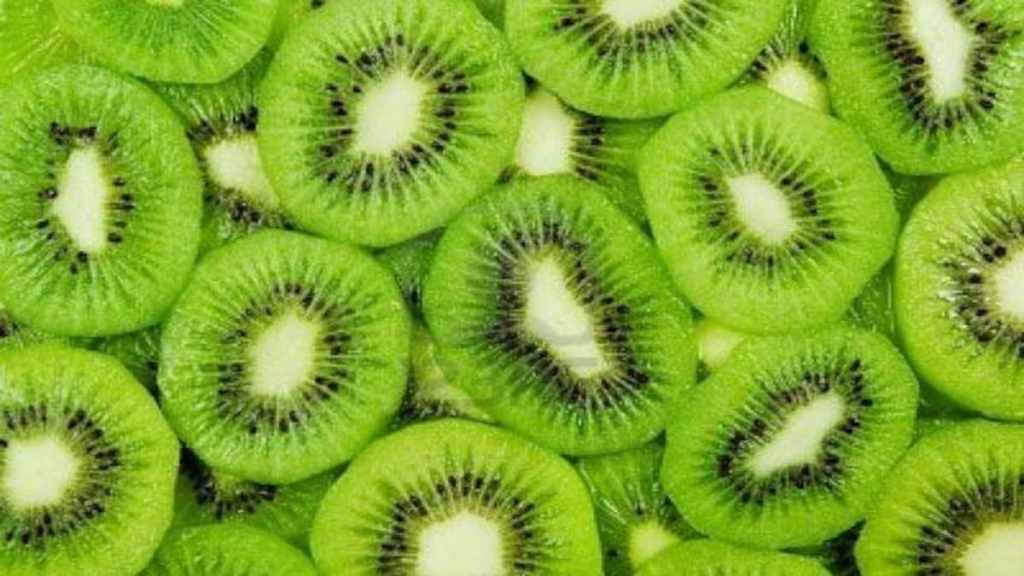
Kiwi are full of folate, potassium, and vitamins k and c. They can be a little sour so if your little one won’t eat one by itself, try adding it into a smoothie. The flavor is mild enough to blend seamlessly with other fruits and veggies. AGE 10 MONTHS +

Water is the key to life and health! Our bodies are 70% and require that we consume clean fresh water to replenish what our bodies use up throughout the day. Watering down any liquid your baby drinks is any easy way to decrease heir sugar intake and increase their water intake. AGE 6 MONTHS +

Sleep is simultaneously the most important and most neglected aspect of our modern life. Proper sleep is essential to a healthy, balanced life, and sleep deprivation is the natural enemy of our body’s immune system, killing the cells in our bodies designed to track down and attack dangerous microbes and cancer cells. ALL AGES

Local Honey. Honey can be tricky because children under 1 can contract botulism from the bacteria found in honey. But after 12 months, their bodies are able to process these bacteria properly and they can benefit from its many useful properties. Honey is a natural antibacterial and contains powerful antioxidant properties shown to lower LDL (read: bad) cholesterol, blood pressure and triglycerides. In children, honey has been found to be as effective as over the counter cough suppressants. The honey acts a barrier, coating the throat and providing relief without the side effects of over the counter meds, which often keep your little one from getting the quality sleep they need to fight off their illness. Adding a bit of honey and lemon to warm water for baby when they’re not feeling good is especially soothing before bed. AGE 12 MONTHS +

Lay off over the counter meds- it may seem counterintuitive but loading your little one up with drugs every time they get the sniffles will actually make them more sick in the long run. As a result of this over medication, bacteria themselves begin to build up an immunity to the treatment. These new, antibacterial resistant strains are harder to fight and a simple ear infection can snowball into a serious infection. ALL AGES

Yogurt contains thousands of good bacteria to keep you healthy from the inside out. The “live and active cultures” stimulate our immune system, help our digestive system to work more efficiently, and are fortified with vitamin d, which helps regulate our immune system and boost our defenses against disease. Most little ones enjoy yogurt because of its mildly sweet flavor but if you have a child who is averse to foods with a runnier consistency, you can use yogurt as a smoothie base and blend it with fruits and veggies to make a delicious drinkable and nutritious snack for your baby.  AGE 6-8 MONTHS +

Blueberries contain Flavonoids, antioxidants that can repair damaged cells and boost your immune system. They are also rich in vitamins and nutrients including vitamins C and A, potassium, fiber and manganese, an essential nutrient found commonly in nuts and legumes. Little ones tend to like blueberries because it’s a chance to flex their fine motor skills and trying to pick them up is just as fun as eating them. They also blend well into any smoothie. AGE 7 MONTHS +

Green Tea: Green tea is loaded with caffeine, so this one is definitely not for kids. But for grown ups, green tea is somewhat of a superfood. The caffeine boost is a welcome effect for most grown ups but it’s levels of epigallocatechin gallate, or EGCG, a powerful antioxidant shown to boost immune health. Green tea also contains high levels of L-Theanine, an amino acid that may raise production of germ fighting compounds in your body’s T-cells. ADULTS ONLY

Cruciferous Vegetable: These include cabbage, broccoli, colliflower, kale, brussel sprouts, bok choy, radishes, arugula, collards and watercress: Rich in vitamins and minerals like folate and vitamin K, darker varieties are also rich in vitamins A and C. They’re also packed full of phytonutrients, plant based compounds that benefit our bodies in a number of ways, most notably by acting as anti-inflammatories and reducing our risk for cancer and heart disease. Little ones enjoy cruciferous vegetables the most when they’re cooked a bit and seasoned with aromatic spices like garlic, onion or turmeric, all of which provide their own health benefits. AGE 10 MONTHS +

Mushrooms: They’re usually not popular with kids but adults love them and mushrooms are packed full of nutrients that help keep us strong and healthy. Cooked properly, the varieties that are not poisonous are packed with B vitamins, potassium, copper, antioxidants and beta glucan, a soluble fiber linked to lowering cholesterol and supporting heart health. AGE 12 MONTHS +

Sunflower seeds: This may be a surprising one for most people but sunflower seeds are actually packed with nutrients including phosphorus, magnesium and vitamins B-6 and E, a powerful antioxidant responsible for regulating our immune system. AGE 24 MONTHS +

Sources:

https://www.healthline.com/health/food-nutrition/foods-that-boost-the-immune-system#ginger

https://www.parents.com/health/cold-flu/cold/boost-childs-immunity/

https://www.geisinger.org/health-and-wellness/wellness-articles/2018/01/19/14/09/6-foods-to-boost-your-immune-system-through-cold-and-flu-season

https://www.eatright.org/food/vitamins-and-supplements/nutrient-rich-foods/the-beginners-guide-to-cruciferous-vegetables https://www.healthline.com/health/food-nutrition/are-mushrooms-good-for-you

2020 Tastemakers You Should Know

Welcome back, mama! And once again, Happy Black History Month! This week, we want to introduce you to some of our favorite people. You may know these individuals as influencers, but for us, their influence goes way beyond hawking Amazon items on Instagram. These people are free thinkers, movement starters and radical doers. They’re actively working to push the culture forward, everyday. Our list is far from comprehensive but here are some of our favorite tastemakers you should get familiar with in 2020.

Ericka Hart

@ihartericka

Erika is a non binary, black femme educator and cancer survivor and they will school you in the best way. Erika speaks on everything from sexual and social justice to being a plant bae and giving yourself regular breast exams. Plus they’re usually on IG with they’re partner Ebony who is hella funny and insightful. And Eb’s from Oakland so you already how much love we have for one of our own.

Shayla Bang

@shaylabang1

Shayla is one of my favorite people on social media. She is hella funny, hella stylish and hella motivated. She’s building an amazingly authentic brand, SoOakland that focuses on bringing authentic energy and engagement back to her community. She’s easily on the funniest people on the internet, freestyling about what it’s like to date in the Bay Area, or ranting about the struggles of entrepreneurship and encouraging her audience to take time to heal and feed their soul. She’s unapologetic about who she is, and her energy is infectious. BONUS: She’s an avid thrifter and some of her best looks cost less than $20! Do i need to keep going?

Chidera Eggeru

@theslumflower

Chidera is an author and activist who’s movement centers around body acceptance, specifically, with regard to saggy boobs. Chidera’s movement, #SaggyBoobsMatter hopes to end the stigma placed around women’s breasts and the tendency of society to put them into a hierarchy of desirability. She bravely uses her own body as the face for her movement and fearlessly represents. She’s also the author of What a Time to be Alone, a book about the endless joy and possibility of being alone. She encourages her readers to heal themselves, live with purpose and shake off the background noise. A body positive, 21st century guru. 

Jennah Brittany

@missjaydmv

We here at Fake Mom are suckers for a good laugh and Jennah Brittany knows how to make people laugh. Her original sketches are creative, relatable, and often go viral. Her videos vary between hilarious cultural critiques and fully developed characters. Our personal favorite: Victoria Chase the 90’s vocal coach. You heard it here first, there are big things coming for Miss Jay. Saturday Night Live, Nickelodeon, only time will tell, but she is seriously funny and destined for greatness.

Demetria Lucas

@demetriallucas

Demetria is like that good friend that you call when you’re feeling weak and wanting to text that trash dude you know you need to leave alone. She posts videos giving her insight and critique on relatable celebrity situations – cheating, toxic relationships and the like, and answers questions from followers in an advice column format where she tries to help steer women away from self destruction and towards self love. 

Ellen Ector

@ellenectorfit

Ellen Ector has changed the face of fitness in many ways. At 67 years young, Ms. Ector is force behind the fitness movements #BlackGirlsWorkoutToo and Gymnetics Fitness, along with her daughter Lana. Ellen promotes a plant based lifestyle and has encouraged millions of women to achieve their dreams through fitness. A pioneer in fitness representation for women of color and women over 50, Ellen Ector has reshaped the face of fitness and shows no signs of slowing down any time soon. 

Cacsmy Brutus

@mamacax

It is with a very heavy heart that we must share the news that Cacsmy Brutus, known online as Mama Cax passed away in the last part of 2019, as this article was being written. Mama Cax was what the world needs more of, beauty with depth. As a cancer survivor and disability activist, Cax was making waves in many different industries, disrupting beauty standards, modeling in major campaigns, and always centering the most vulnerable among us. While she will no longer be physically present with us, her work will transcend time and has helped to redefine our society’s standards of what is beautiful. She will be sorely missed.

It’s a Look

@itsalookwith.us

Podcast creators are clearly creative geniuses. It’s a Look, hosted by @yesfredia and @jena_dominique is a dope podcast thats insightful and funny and touches on a variety of relevant topics for young women. They originally started in the  fashion space but have expanded their universe to event hosting. They’re feed is a mosaic of styled photoshoots, motivation to go after what you want and announcements about their ever expanding brand. They’re poised for continued growth in 2020 and we can’t wait to see what they come with. 

Billy Porter

@theebillyporter

Billy Porter has been turning heads and making statements since 2013 when he won a Tony Award for Best Actor in a Musical. But the moment Billy really showed up on our radar was his iconic pink cape moment at the 2019 Golden Globes. Bold fashion choices would become Billy’s hallmark on the red carpet, subsequently stunning in gender bending gowns at the 2019 Met Gala the 2019 Academy Awards and again at the 2020 Golden Globes. Billy has referred to his fashion choices as ‘political art’ and given the cultural conversations that follow his red carpet appearances, we’d have to agree. 

India Monae

@_indiamonae

If you had to choose just one of these people to follow, it should be real estate investor, educator and serial entrepreneur, India Monae. India’s focus is on creating financial literacy for her audience, something she’s extremely passionate about. Her latest venture, Land Over Labels teaches “black millenials how to build wealth from the ground up” and she’s constantly sharing tips and insight on how to make money work for you, instead of the other way around.

Paola Mathé

@findingpaola

Paola is a mom, entrepreneur and creative who shares her insights on living a purposeful life with passion. Her social media posts typically detail the drive it takes to make her busy world spin. Her instagram feed profiles her growing business, her colorful world, love of fashion and dedication to her family. Her brand, Fanm Djanm celebrates sisterhood, self love, strength and freedom. 

Destiny Lavonia

@momcrushmonday

Destiny is so inspiring! She’s the only blogger I’ve ever seen who has been open about their co parenting journey and that shit is really real and more people should be speaking on it. Plus, she’s got amazing style and the aesthetic of her blog is inspiring. 

Sonique Saturday

@soniquesaturday

When we first discovered her, her bio on Instagram read: “Outcast my whole life, so I decided to dress like André” I mean come on, I don’t think you can make much more of a statement. Her online persona has evolved and she runs House of Saturday now but her energy and style are still at the center of her brand.

Compton Cowboys

@comptoncowboys

Using horses as a vehicle for healing, the Compton Cowboys are rewriting several cultural narratives at once. Their team and their mission are unique, inspiring and more than anything, encourage you to live without limiting yourself.

Christianee Porter

@thechristishow

If you’re not familiar with viral sensation, Shirleen, stop what you’re doing and go watch her on Youtube or Instagram. Shirleen is the pios, petty and perpetually outraged church lady. But her creator, Christianee Porter, known online as The Christi Show, has developed several other characters as well. Young Velvetta, Shirleen’s nephew and aspiring rapper; Dr. Jenn, the doctor we all need to gather us; Honesty and Prosperity, best friends who call each other for everything; and Karen Don’t Care, the news anchor with the beat on the street. She began touring comedy clubs around the country and you can catch her performing near you! 

One Six Eight

@onesixeightpodcast

Originally a podcast, we found these lovely ladies on Instagram and we’re so happy we found them! They’re sassy, fun and have a knack for creating really engaging content without making it feel too contenty. Our favorite thing about them? Their motto: Kill the week, bitch! We’re trying, ladies.

Icon Billingsley

@icontips

A style legend. The mastermind behind some of our favorite girls’ most ICONIC looks. Zendaya, Dej Loaf, Megan the Stallion and more. His instagram feed is more inspiring than a lot of fashion magazines. 

René Daniella

@ownbyfemme

A creative who’s passionate about travel, René Daniella showcases her love for fashion, hosts a travel show, and encourages her follows to find their heart’s passion. She shares travel tips and snaps from some of the most beautiful places on earth.  

Aerin Creer

@aerincreer

Aerin is a fashion model who loves to share her love of fashion and style tips. Not only is she major muse material, she’s also become an activist for epilepsy, after a major seizure led to her out-of-the-blue diagnosis, she’s been pretty transparent about her struggles since diagnosis, which is inspiring considering she’s still pretty young. 

Attachment Part 2: Incorporating meaningful touch into your child’s life

Happy Hump Day Mama! You’re halfway there..

We hope the New Year’s been treating you kindly 🙂 Today, we’re jumping right in, with Part Two of our series on the importance of physical touch in your child’s development. If you missed Part One when we discussed 25 benefits that come from positive, affirming physical touch, you can catch up here.

Today, we’re taking it a step further, and looking at what we can actually do to incorporate loving, meaningful touch into our little one’s lives.

Kangaroo Care

VIA UNITYPOINT.ORG

Kangaroo Care gets its name from its similarities to marsupial care. It involves a parent holding their swaddled newborn to their bare chest. For children born preterm or with complications, Kangaroo Care has life altering capabilities (6). In the first hour after birth, skin to skin contact is essential for babies to bond with their parents and regulate their vitals (1). This initial skin to skin time is so important in baby’s growth and development that professionals recommend building time for it into your birthing plan, postponing the normal protocol after birth of washing and weighing baby to prioritize skin to skin time (1).

Infant Massage

VIA MOM365

Infant massage is the next stage of important developmental touch after skin to skin. This type of touch is about bonding, love and respect. It’s important to be read baby’s interactions with you during this time; Trust is a key part of this activity, and it goes without saying that baby needs to trust that you’re not going to hurt them, so pay attention to the physical responses your child may be giving you; whether they are positively engaged or disengaged. Children communicate instinctively from their time they’re born, through physical responses before they can talk so it’s important that you learn to read their cues (1).

Good Nights

Creating positive associations with sleep is a vital part of your child’s development, but it’s also the perfect opportunity to build in positive touch with your little one. Goodnight hugs and kisses are quick and easy ways to increase your physical interactions and massaging their head or back while you read them a goodnight story will help them fall asleep faster and feel more connected to you.

Myth Busters: They Don’t Know What They’re Talking About…

How many times has someone (older than you, most likely) told you that you were gonna spoil your baby picking them up too much? This is one of the most common critiques of moms, most especially from well meaning (?) relatives and family friends, who know that you’re going to regret picking that baby up so much when they won’t leave you alone. Umm, what? Thank you for you concern sir, but we’re not doing that let them cry till they can’t no more, no more.

For generations, the myth that holding a baby too much will ‘spoil them’ has persisted. You’ve likey heard it before, and may have even put some stock in it. Nobody wants a ‘spoiled’ kid and technically, it’s true, they have been raising kids longer than us…

There are two parts to the baby spoiling ideology:

  • You should let your baby cry for a while
  • You’re holding them too much

“Let Them Cry”
When an infant cries, they need something. They’re not crying for your attention (they don’t even understand those concepts yet) and they’re not trying to be difficult. Babies only cry as method of meeting their needs. This means if your child is crying, they need something from you; a meal, a diaper, a measuring hug (7). When you allow your child to cry for extended periods of time, without responding to them, you being to send silent messages that their needs are not a priority, or that you may not even notice them. These messages will compound as the child grows, and one subjected to this kind of treatment for prolonged periods will begin to show effects, like struggling to create bonds with others, that will follow them into adulthood.

Sources:
1. https://med.stanford.edu/news/all-news/2013/09/the-benefits-of-touch-for-babies-parents.html
2. https://www.psychologytoday.com/us/blog/born-love/201003/touching-empathy
3. https://www.nytimes.com/2010/02/23/health/23mind.html?scp=3&sq=touch&st=cse
4. https://www.americanadoptions.com/adoption/do-orphanages-still-exist 
5. https://www.chla.org/blog/rn-remedies/cuddling-does-kids-and-parents-good 
6. https://www.ncbi.nlm.nih.gov/pmc/articles/PMC5683265/
7. https://www.webmd.com/parenting/baby/features/infants-attention#1

How to Keep Your Kids Entertained Inside (Without Losing It!)

Hey Mama,

For most of us, winter is in full swing. Maybe that means snow days, maybe that means rainstorms but either way, most of your family is likely gonna be stuck indoors for long stretches during this time of year. It can be tough to keep it together during the winter, we get it. So we put together a little Cabin Fever Survival Guide to help you keep your little ones from driving you totally insane.

We broke it down into three parts: your survival kit, activities for little ones, and activities for bigger ones.

Survival Kit
Essential items to have on hand during the winter time. These items are versatile, can be used in a variety of entertaining ways, inexpensive, easy to find, and won't destroy your home. 
  1. Rolls of tape (painter’s or gaffer’s tape are best; they’re sturdy and easily removable)
  2. Toilet paper
  3. Contact paper
  4. Bubbles
  5. Washable markers
  6. Balloons
  7. Rechargeable batteries
Activities for Little Ones
These activities are great for entertaining little ones under the age of 5. They involve games that build on fundamental skills your little ones are still learning and are designed to keep them engaged at their skill level. 

Sensory blankets (LIN/PIC) are great for babies at tummy time but the activities can easily be adjusted to fit your little ones needs. This DIY spin on it, (LINK/INCLUDE PIC) is a great way to adapt your activities and the modular design means you can rearrange the pieces to create sensory trails around your house. BONUS TIPS: If you live in a small space, make this activity a bit more exciting by allowing kids access to normally restricted areas, like the bathroom or kitchen. Giving kids a little more room to run, especially when they’ve been inside for several consecutive days can make the long stretches a little easier for both of you. 

USE OLD NEWSPAPERS TO TURN YOUR KITCHEN FLOOR INTO A GIANT CANVAS. PHOTO VIA JLHEUER.WORDPRESS.COM

‘Indoor Chalk’: Set your little one up with a paper covered floor and a few washable markers and let them go crazy! Giant drawing paper can be expensive but the blank side of wrapping paper works great as a substitute. Tape it to the floor of a whole room for fun that lasts a little longer. If you’re little ones are young enough, you can get away with newspaper rather than wrapping paper. Also, make sure the makers are washable and non-toxic cause it’s inevitable that they will draw on something they’re not supposed to and put the markers in their mouth, so just make it easy on yourself. 

Contact paper: there are tons of activities out there centered around contact paper. Its mild stickiness is great for sensory development and the fact that little things stick to, but easily come off is endlessly entertaining. Tape it to the wall and let baby stick things to it to exercise their fine motor skills, or use it with salt and paint for a messier, but fun experiment with color and texture. 

Color scavenger hunt: This is a great way to help baby learn their colors and have fun at the same time. Use those old paint sample cards we’ve all got stuffed into a drawer somewhere (or grab some from anywhere paint is sold) and use them to do a color scavenger hunt around your house. Stick with primary colors if you’re little one is still learning and add more shades as they get better at color spotting.

Simon Says is a great way to engage with little ones and let them get some energy out! Give them silly commands and watch them giggle endlessly.

Treasure Hunt: hide various toys around your house and have you little one hunt for them. Puzzle pieces, small toys, their favorite stuffed animal. Give them hints to help them if they get frustrated and hide them in silly places to give little ones and extra laugh.

Bubbles! Little ones go crazy over them and big ones will get a kick out of blowing them and driving the little ones mad! Fun for everyone

Youtube is great for little ones too! Instead of complicated dance videos, little ones will love sing alongs! We love to play sing alongs for our little one’s and they’re happy for as long as I let them rock out. They’ll dance and sing along and there are tons of song options out there to keep it educational and fun. ‘Super Simple Espanol’ is our favorite channel.

Activities for Bigger Ones:
These activities are best for children over the age of 5. Some of the games on this list involve critical thinking or controlled motor skills and other advanced stages of development your little one may not have reached yet. If you have children in different age groups, many of these activities can be adapted for both of your children to participate.

Activity dice: these giant dice are super easy to make, and you can customize the activities according to your child’s needs and interests. Make them act like an animal or imitate a superhero, whatever they would engage with best HERE’S a printable template to help you get started with some blank spaces for customization. BONUS ACTIVITY! Let your kids color them + make a few of their own activities of their own. Then play with them! They’ll go crazy over seeing you do whatever silly thing they came up with. 

PHOTO VIA RYSELTOYS.COM

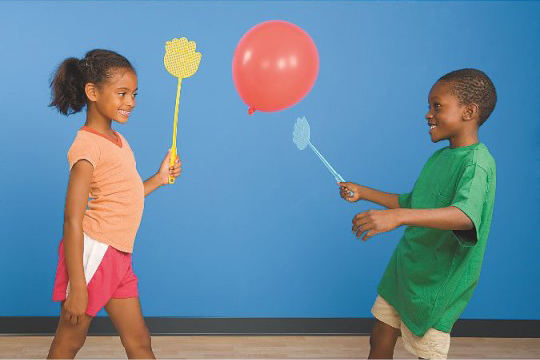
Balloon Games: Balloons are the best! And there’s lots of things you can do with them! Ballon jumpers: tape the balloon to the ceiling, challenge them to reach it, then raise it up a little each time they hit it successfully. 

  • Balloon Volleyball
  • Don’t let the balloon touch the ground 

Color scavenger hunt: This activity is great because it can easily be adapted for older kids. While the little ones work on finding one color, bigger ones can take the whole sheet of shades and match each one. Time them, make it a contest, or offer prizes to help engage more reluctant kids.

Obstacle course crawl: This one takes a bit of setup, but is a great way for older kids to keep busy during those bad weather spells. Using rolls of toilet paper or streamers and tape, create an intricate obstacle course for your kids to find their way through. Use a variety of heights and angles to make it more challenging for bigger ones. 

VIA MARIETTA SPY SHOP

Traditional obstacle course: This is a great way for your bigger ones – and little ones too – to get some energy out. Try to think of higher energy activities if your child needs the run around a bit. If you’re working within a small space, these activities don’t necessarily need a ton of room. Below is a list of obstacle course activities that don’t need as much room.

  • Balancing on one foot
  • Jumping jacks
  • Hula hoops
  • Distance Toss
  • High Jump
  • Knee raisers
  • Indoor Bowling

Charades: There are many versions of this classic game and they’re all tons of fun for all ages! On scraps of paper, write down a bunch of random people, places and things for you and the kids to act out. You can even let them add in a couple for increased engagement. Then, take turns pulling from a hat and acting them out. Make it a competition and add points for bigger-er ones. 

VIA TEACHMAMA.COM

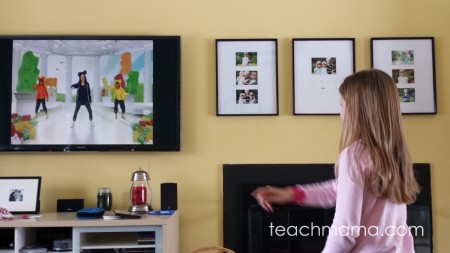
Youtube: This one is a life saver and a huge resources for most adults i know. University of Youtube is also a great way to keep your kids engaged and active. Que up fun workout videos for them, like Billy Blanks classic tye bo tapes, or dance tutorials, but only if you’re prepared for them to bust those moves out every. single. Chance. They. get. For the next 6 months. BONUS: for an added laugh, show them vintage dances like the running man. They’ll think it’s the funniest shit ever. Let’s be real, it is. 

Indoor bowling: this is hours of fun, with very little clean up. Let your bigger ones use red plastic cups to create pins, and a small light ball as the ball. Set your kids u with a score card so they can play a full game and offer a prize to the winner, like choice of dessert or dinner. 

Attachment Part I: 25 Reasons to Cuddle your Baby

The Importance of Physical Touch and Affection

Part one in a two part series on the effects of physical touch on your baby's growth and development.

Hey Mama, Happy New Year!

As you probably didn’t know, cause, you know, it’s a made-up holiday, National Cuddle Day (!) was on January 6th this year. With that in mind, and in the spirit of new beginnings and healthy habits, we’re going to be kicking off the New Year with a series on the importance of cuddling! Sounds silly, we know but it’s actually a scientific fact that humans, and especially babies, need physical contact for proper development. 

The following have been found to be direct benefits of physical contact for babies:

  1. Regulated heart rate following birth
  2. Regulated temperature following birth
  3. Regulated breathing following birth
  4. Enhanced awareness following birth
  5. Improved sleep patterns for baby (and you too!)
  6. Improved digestion and elimination for baby
  7. Reduced fussiness in baby and increased comfort in their surroundings
  8. Improved neurological function in babies
  9. Increased weight gain for premature and full term babies
  10. Improved relaxation for you and baby (1)
  11. Lays the foundation for baby to learn empathy (2)
  12. Encourages bonding for both parties
  13. Helps baby associate physical touch with pleasure/love
  14. Helps baby create connections with others later in life (2)
  15. Increased levels of oxytocin, decreased levels of cortisol (3)
  16. Increased self confidence later in life (5)
  17. Greater ability to deal with life’s stressors (5)
  18. Creates a healthy sense of personal boundaries (5)
  19. Improved muscle tone + circulation (5)
  20. Improved pulmonary and immune functions
  21. Reduced discomfort from teething, congestion, colic, and emotional stress (5)
  22. Deeper sleep
  23. Improved milk production for mom
  24. Increased brain function from time spent quiet and alert, rather than crying (5)
  25. Greater self worth 

When physical touch is absent during a child’s early life, it can have devastating repercussions. Babies who aren’t huggled, cuddled or touched enough have been observed to stop growing, and in extreme cases, even when being provided adequate nutrition and care otherwise, they have died (2). This phenomenon was most notably observed in overcrowded, underfunded orphanages in early America, where infant mortality rates hovered around 35% (2). This disturbing trend led reformers to replace orphanages with the modern foster care system, in hopes of providing children with a higher quality of life (4).

The benefits of physical touch affect adults too. From an association between winning NBA teams and their physical contact with each other, to adults whose perception and memory of a given situation is actually changed by physical contact, the results are clear (3). In older children, studies found that children who received a positive, affirming touch on the back or arm from a teacher were twice as likely to be positively engaged than students who did not (3). 

But how does this happen? Does it actually work?

It’s a pretty simple chemical process that happens inside our brains thats causes touch to have such far reaching effects. A warm touch has been shown to cause a spike in levels of oxytocin, a stress relieving hormone that actively reduces levels of the nasty little stress hormone cortisol. When levels are lowered, the prefrontal areas of the brain – the part responsible for regulating our emotions – can relax, allowing it to perform it’s other chief function, problem solving, more easily. Essentially, the body interprets this type of touch as saying, ‘I’m here to help; I can share the load’. For little ones, this is endlessly reassuring and will provide the foundation for how they interact with others for the rest of their lives. 

Come back for Part II next week when we’ll be sharing some easy ways to incorporate meaningful touch into your routine with baby and debunking one of the oldest motherhood myths out there! Have a great week mama!

XO,
FAKE MOM

Welcome Home!

We’re so glad you’re finally here!

Welcome to Fake Mom, the online community for the unconventional mom. Click HERE to find out a little bit about where we came from.

We hope that you will make yourself at home here. We want to help you breathe through the stress, laugh through the tears and know that, here, you are most important. You’re doing great, sweetie! And we love you so much.

Each week we will feature new content designed to help you through the real $h!* life throws at you. We’ll talk parenting techniques, childhood trauma, overcoming our unique challenges, how we stay so fly through all the drama and more. Our community will consist of our core writing team, unconventional moms themselves, raising kids and crushing their dreams; our panel of moms, your new go-to for all your mommy questions; and most importantly, YOU! Other unconventional moms looking for a place with real advice, real resources and a real community.

If you have some time, please, look around. Get to know the Mama Knows Best moms, download your free copy of #MomHacks or drop us a line and let us know what kind of content you wanna see in the future, or just say wassup! We can’t wait to hear from you.

The Fakest of Them All…

Hi there! You can call me Jas. I’m from California, and I’m raising a child that is not mine by birth. Stepmom? Not quite. Foster parent? Kinda…

I’ll get into the details of our back story a bit later, once we know each other a little more. But in a nutshell, I have guardianship of my two year old nephew, who has lived with me since just after his first birthday. It’s a jarring adjustment to bring a child into your life, and unlike conventional moms, I did not have months to prepare myself.

If motherhood is the hardest job in the world, unconventional motherhood is like doing that job with a blindfold on. Raising a child encompasses so many emotions; joy, pain, relief, anxiety, fear, power, love, loneliness. When you’re not doing it how everyone else does, all of those emotions are amplified.

And whether you agree or not that motherhood is the hardest job in the world, it is easily the most important. Without a doubt, whether we want to admit or not, the relationship that affects us more than any other relationship we will ever have, is the one we have with our mother. Moms are the foundation, the rocks, the compases, the glue, everything! And No mom, no matter the qualifier – single mom, stepmom, FAKE MOM –  should feel alone in her struggles or unsupported by her community.

And that’s what has brought me here, to Fake Mom. My friends don’t have kids, so I turned to the internet and mom bloggers for help.

There are a million Mom-Blogs out there and they’re great, but looking at a beautiful woman, her spacious home and her impeccably dressed family doesn’t really make me feel great about the fact that sometimes, I just can’t get a shower in, all weekend, no matter how hard I try. Or the fact that my baby is struggling with residual trauma and sometimes he gets so upset, I can’t console him. Or help me to understand why the lack of a ring on my finger is so triggering to strangers.

Fake Mom gets it, girl.

Just to clear the air before it gets clouded, the term FAKE MOM is something I coined to refer to myself, and is in no way meant to demean or ridicule anyone. It’s a reflection of a very personal struggle to make sense of an identity and reality that don’t always make sense together. One that I’m still adjusting to. In that struggle, as I’m sure you can relate, is where the most growth happens.

I won’t talk about myself too much on here, as it’s not meant to be a personal blog. Fake Mom isn’t about me, it’s about us. Thank you for being here.

Now that you know a little bit about me, click HERE to learn a little bit more about Fake Mom.